
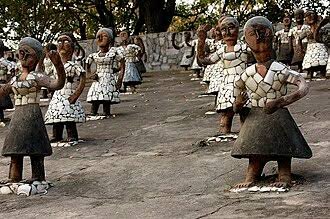
Waste-to-Wealth Concept of Rock Garden: How Nek Chand Turned Waste into a Global Masterpiece
In today’s world, where sustainability and environmental conservation have become global priorities, the Waste-to-Wealth Concept of Rock Garden stands as one of India’s greatest examples of creative recycling. Long before terms like “upcycling” and “circular economy” became popular, Chandigarh’s legendary artist Nek Chand demonstrated how discarded materials could be transformed into breathtaking works of art.
The famous Rock Garden Chandigarh is not just a tourist attraction—it’s a living lesson in sustainability, innovation, and imagination. Built almost entirely from industrial and household waste, the garden has inspired millions of visitors while proving that waste can become something truly valuable.
If you’re planning to visit Chandigarh or simply want to understand the story behind one of India’s most unique attractions, here’s everything you need to know about the remarkable waste-to-wealth philosophy of the Rock Garden.
What Is the Waste-to-Wealth Concept?
The Waste-to-Wealth concept refers to converting discarded materials into useful, valuable, or artistic products instead of allowing them to become landfill waste.
This approach focuses on:
- Recycling
- Upcycling
- Sustainable design
- Resource conservation
- Environmental protection
The Waste-to-Wealth Concept of Rock Garden perfectly embodies these principles by transforming waste into a world-famous sculpture garden.
How Nek Chand Started the Revolution
The story began in 1957, when Nek Chand, a road inspector in Chandigarh, started collecting construction debris and discarded household materials from across the city.
Instead of seeing broken objects as useless, he imagined an artistic world hidden within them.
For nearly 18 years, he secretly built sculptures inside a forested area near Sukhna Lake using materials that most people threw away.
His vision eventually became today’s internationally celebrated Rock Garden.
Materials Reused in Rock Garden
One of the most fascinating aspects of the Waste-to-Wealth Concept of Rock Garden is the incredible variety of recycled materials used.
Visitors can spot sculptures made from:
- Broken ceramic tiles
- Glass bottles
- Bangles
- Electrical waste
- Sanitary ware
- Bicycle parts
- Industrial scrap
- Broken crockery
- Concrete rubble
- Stones
- Wire mesh
Every sculpture tells a story of transformation through creativity.
Creating Art from Everyday Waste
Nek Chand believed that nothing was truly useless.
Using simple hand tools and remarkable imagination, he converted waste materials into:
- Human figures
- Dancing sculptures
- Animal statues
- Decorative walls
- Waterfalls
- Courtyards
- Bridges
- Artistic villages
Walking through the Rock Garden feels like entering an entire city built from recycled treasures.
Why the Rock Garden Is a Global Sustainability Icon
Today, environmental experts frequently cite the Rock Garden as one of the world’s finest examples of creative recycling and sustainable public art.
The garden demonstrates how waste can:
- Reduce landfill pollution
- Preserve natural resources
- Inspire creativity
- Promote environmental education
- Support sustainable tourism
Its innovative design continues to influence architects, artists, and urban planners around the globe.
Environmental Benefits
The Waste-to-Wealth Concept of Rock Garden offers several environmental advantages.
These include:
Reduces Waste
Thousands of discarded materials were prevented from reaching dumping grounds.
Encourages Recycling
The garden inspires visitors to reuse everyday household items creatively.
Conserves Natural Resources
Using recycled materials reduces the need for new raw materials.
Promotes Sustainable Living
The garden encourages environmentally responsible thinking.
Lessons for Modern Cities
As cities generate increasing amounts of construction and household waste, the Rock Garden provides valuable lessons for sustainable urban development.
Modern planners can learn to:
- Recycle demolition waste
- Promote public art
- Develop eco-friendly parks
- Encourage community participation
- Support circular economy initiatives
The garden remains decades ahead of its time.
Educational Importance
Schools and universities frequently organize educational visits to Rock Garden Chandigarh.
Students learn about:
- Recycling
- Waste management
- Environmental conservation
- Sculpture
- Creative thinking
- Sustainable development
The garden transforms environmental education into a memorable real-life experience.
Tourism Meets Sustainability
Every year, millions of tourists visit Rock Garden Chandigarh not only to admire its artistic beauty but also to understand its environmental message.
Visitors appreciate:
- Handcrafted sculptures
- Waterfalls
- Maze-like pathways
- Artistic courtyards
- Eco-friendly construction
- Creative use of recycled materials
This unique combination makes it one of India’s most visited sculpture gardens.
Global Recognition
The Waste-to-Wealth Concept of Rock Garden has earned worldwide admiration.
Its influence extends to:
- Sustainable architecture
- Public sculpture parks
- Recycling initiatives
- Environmental art exhibitions
- Urban planning projects
Nek Chand’s work continues to inspire creative minds across continents.
Nearby Attractions
After visiting the Rock Garden, explore nearby attractions including:
- Sukhna Lake
- Capitol Complex (UNESCO World Heritage Site)
- Bird Park Chandigarh
- Garden of Silence
- Zakir Hussain Rose Garden
- Chandigarh Botanical Garden and Nature Park
Together, these places showcase Chandigarh’s perfect balance of architecture, nature, and sustainability.
Tips for Visitors
To fully appreciate the garden:
- Observe the recycled materials carefully.
- Read the information displays.
- Carry a camera.
- Visit during cooler morning hours.
- Wear comfortable footwear.
- Respect the sculptures.
- Avoid touching delicate artwork.
Every corner of the garden reveals a new example of creative recycling.
Why the Waste-to-Wealth Concept Still Inspires Today
The message behind the Waste-to-Wealth Concept of Rock Garden is more relevant than ever. In an era of increasing environmental challenges, the garden reminds us that creativity can transform waste into opportunity.
Nek Chand’s vision encourages individuals, communities, and governments to rethink how discarded materials can be reused instead of wasted. His masterpiece proves that sustainability is not only practical but also beautiful.
Conclusion
The Waste-to-Wealth Concept of Rock Garden is one of Chandigarh’s greatest contributions to sustainable art and environmental conservation. By transforming broken ceramics, industrial scrap, and household waste into an internationally acclaimed sculpture garden, Nek Chand created far more than a tourist attraction—he created a movement.
Today, the Rock Garden continues to inspire artists, environmentalists, students, and travelers from around the world. It stands as a timeless reminder that innovation begins with imagination and that even the simplest discarded object can become part of something extraordinary.
Read more blogs on – https://topchandigarh.com/