
Sculptures and Pathways Guide: Exploring the Artistic Maze of Chandigarh’s Rock Garden
The Rock Garden Chandigarh is one of India’s most fascinating artistic landmarks, where every corner reveals a new surprise. From thousands of handcrafted sculptures to winding stone corridors, hidden courtyards, waterfalls, and artistic pathways, the garden offers an immersive experience unlike any other. Designed by the visionary artist Nek Chand, the Rock Garden transforms discarded materials into timeless works of art while inviting visitors to explore a maze of creativity.
This Sculptures and Pathways Guide takes you through the garden’s most remarkable sculptures, hidden passages, and architectural features, helping you appreciate the artistry behind one of Chandigarh’s greatest attractions.
The Vision Behind the Rock Garden
The Rock Garden began in 1957, when Nek Chand secretly started building sculptures using waste materials collected from demolition sites across Chandigarh. Working quietly for nearly 18 years, he transformed broken ceramics, glass, concrete, and industrial scrap into a magical world of artistic expression.
Today, the garden spans approximately 40 acres and welcomes visitors from around the globe.
A Journey Through Artistic Pathways
One of the most memorable features of the Rock Garden is its network of narrow pathways that connect different artistic spaces.
The Sculptures and Pathways Guide begins with these winding trails, which create a sense of discovery at every turn.
Visitors walk through:
- Stone corridors
- Cave-like tunnels
- Curved archways
- Narrow passages
- Hidden gateways
- Rustic walls
- Open courtyards
Unlike traditional parks, there is no straight route, encouraging exploration and curiosity.
Thousands of Handcrafted Sculptures
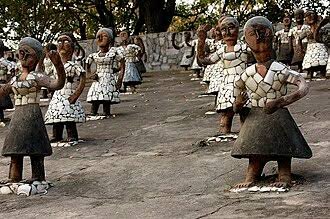
The sculptures are the soul of the Rock Garden.
Each figure has been individually crafted using recycled materials, giving every artwork its own personality.
Popular sculptures include:
- Dancing women
- Village musicians
- Farmers
- Children
- Animals
- Elephants
- Monkeys
- Camels
- Birds
Together, they create the feeling of entering a lively artistic village.
Recycled Materials Used
The uniqueness of the sculptures lies in their construction.
Nek Chand creatively reused:
- Broken bangles
- Ceramic tiles
- Glass bottles
- Electrical fittings
- Sanitary ware
- Bicycle parts
- Wire
- Industrial scrap
- Concrete rubble
- Stones
This sustainable approach made the Rock Garden one of the world’s earliest examples of environmental art.
Hidden Courtyards
As visitors continue through the pathways, they discover beautifully designed courtyards that suddenly open from narrow corridors.
These spaces feature:
- Sculpture galleries
- Decorative walls
- Seating areas
- Artistic installations
- Open gathering spaces
Every courtyard offers a completely different visual experience.
Waterfalls Along the Route
One of the highlights of this Sculptures and Pathways Guide is the series of artificial waterfalls that create a refreshing atmosphere.
These waterfalls:
- Enhance the landscape
- Provide cooling mist
- Create beautiful reflections
- Offer excellent photography opportunities
The sound of flowing water adds tranquility to the artistic surroundings.
Bridges and Stone Archways
The pathways are connected by numerous artistic bridges and stone archways.
These architectural elements:
- Create dramatic viewpoints
- Separate different sections
- Enhance the garden’s maze-like design
- Offer unique photo opportunities
Each bridge reveals another hidden corner waiting to be explored.
Sculptures Inspired by Rural India
Many sculptures celebrate traditional Indian village life.
Visitors will notice scenes depicting:
- Folk dancers
- Village women
- Farmers at work
- Animals grazing
- Traditional celebrations
These artworks reflect Nek Chand’s memories of rural life before India’s Partition.
Photography Highlights
The Rock Garden offers endless photography opportunities.
Must-capture locations include:
Sculpture Galleries
Rows of handcrafted figures create striking compositions.
Narrow Stone Pathways
Perfect for perspective photography.
Waterfalls
One of the garden’s most photographed attractions.
Decorative Walls
Made entirely from recycled materials.
Courtyards
Excellent for wide-angle landscape photography.
Morning light provides the best conditions.
Architectural Beauty
The pathways themselves are works of art.
Visitors will admire:
- Hand-built stone walls
- Mosaic decorations
- Curved passageways
- Natural rock formations
- Organic architectural design
The absence of modern construction materials gives the garden its timeless charm.
Visitor Experience
Exploring every sculpture and pathway usually takes 2 to 3 hours.
To fully enjoy your visit:
- Walk slowly.
- Observe fine artistic details.
- Carry drinking water.
- Wear comfortable shoes.
- Bring a camera.
- Avoid rushing through the pathways.
Every section offers something different.
Best Time to Visit
The ideal season is:
October to March
During these months visitors enjoy:
- Pleasant weather
- Comfortable walking
- Better lighting
- Less heat
Morning visits also allow quieter exploration.
Nearby Attractions
After completing this Sculptures and Pathways Guide, explore nearby attractions including:
- Sukhna Lake
- Capitol Complex (UNESCO World Heritage Site)
- Bird Park Chandigarh
- Garden of Silence
- Zakir Hussain Rose Garden
- Chandigarh Botanical Garden and Nature Park
These destinations complete a memorable Chandigarh sightseeing experience.
Why the Sculptures and Pathways Are So Special
The Rock Garden isn’t simply about viewing sculptures—it’s about experiencing them through movement. Every winding pathway reveals another artistic surprise, while every sculpture reflects Nek Chand’s extraordinary imagination and commitment to sustainability.
Unlike conventional museums, visitors become part of the artwork as they wander through tunnels, courtyards, waterfalls, and galleries. This immersive design is what makes the Rock Garden one of the world’s most unique sculpture parks.
Conclusion
This Sculptures and Pathways Guide reveals why Chandigarh’s Rock Garden continues to captivate millions of visitors every year. From handcrafted sculptures made of recycled materials to hidden corridors, scenic waterfalls, and artistic courtyards, every part of the garden tells a story of creativity and innovation.
Whether you’re an art enthusiast, photographer, architecture lover, or traveler exploring Chandigarh for the first time, the Rock Garden promises an unforgettable journey through one of India’s greatest artistic masterpieces.
Read more blogs on – https://topchandigarh.com/