
Panjab University History and Campus Life: A Complete Guide
Panjab University (PU) is one of the most respected universities in Chandigarh and an important part of the city’s academic identity. Known for its historic legacy, beautiful campus, research culture and vibrant student life, the university attracts students from across India and abroad.
Located in Sector 14, Chandigarh, the university combines historic institutions with modern academic facilities. Its red-brick buildings, green spaces, libraries, student centres and hostels create a distinctive campus environment. For students, visitors and anyone interested in the city, understanding Panjab University history offers an insight into the development of higher education in the region.
Panjab University History
The history of Panjab University dates back to 1882, when the University of the Punjab was established at Lahore during the British period. After the Partition of India in 1947, the university’s institutional journey continued in India.
The university was re-established at Shimla in 1947 and later moved to Chandigarh. Its present campus became an important centre of higher education and research in the newly planned city.
Over the decades, Panjab University developed into a multidisciplinary institution offering programmes across sciences, humanities, social sciences, law, engineering, business and other fields.
The university’s long history is one of the reasons it holds such an important position in Chandigarh’s educational landscape.
Panjab University Campus in Chandigarh
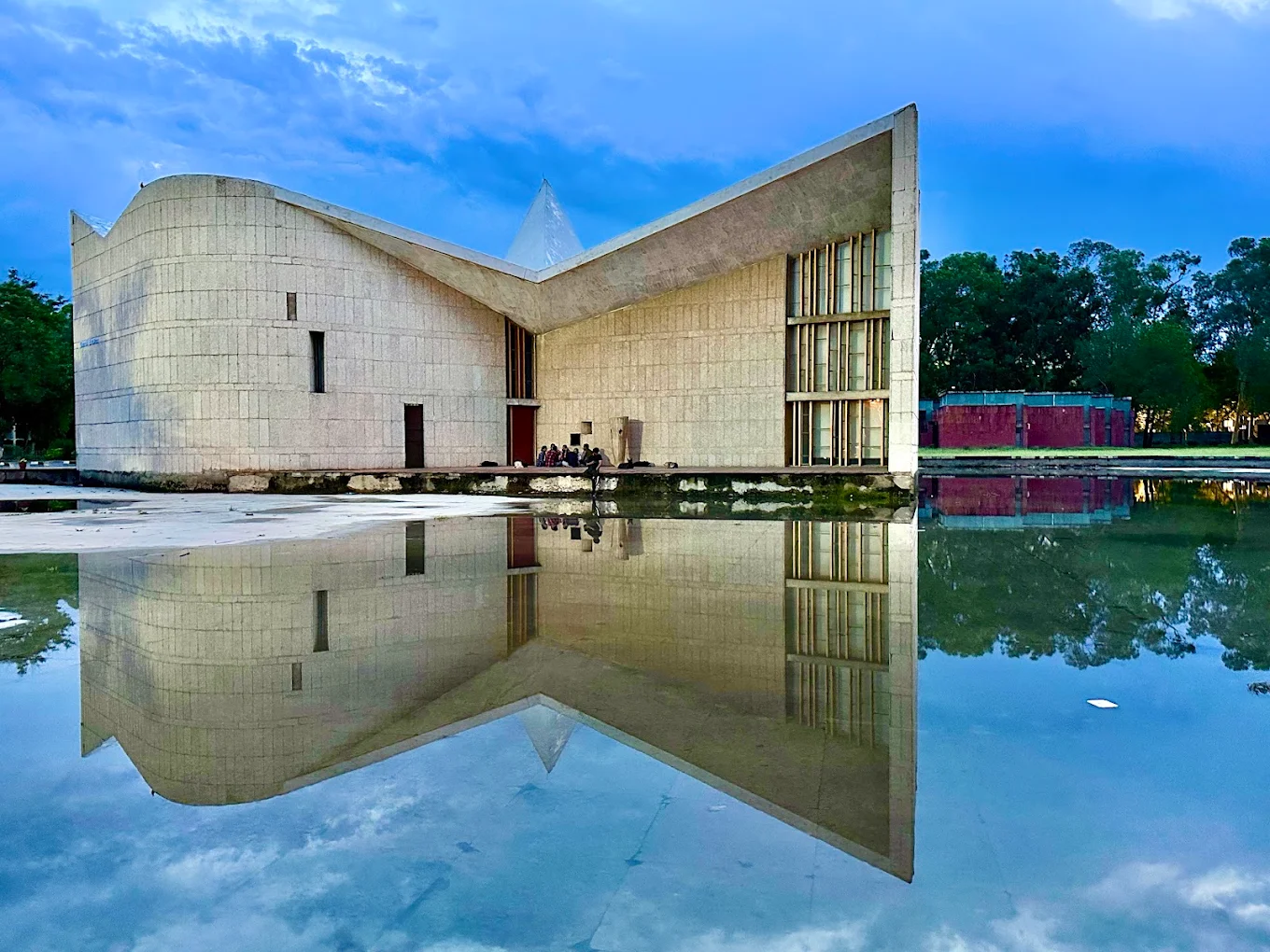
The Panjab University campus is situated in Sector 14 and is spread across a large, green area. Its architecture and landscape distinguish it from many conventional urban university campuses.
The campus features academic departments, administrative buildings, libraries, hostels, sports facilities, gardens, cafeterias and student activity spaces.
One of the most recognizable features is the university’s red-brick architecture. The buildings, walkways and mature trees give the campus a distinctive atmosphere, particularly when students move between classes.
The campus also benefits from Chandigarh’s planned urban layout. Wide roads, organised sectors and green spaces around the university make it relatively easy to navigate.
Architecture and Campus Design
Panjab University’s architecture forms an important part of its identity. Several buildings follow modernist principles associated with Chandigarh’s architectural development.
The campus was designed with an emphasis on functional academic spaces, open areas and interaction between buildings and the surrounding landscape.
For architecture enthusiasts, the university provides another perspective on Chandigarh’s built environment beyond famous landmarks such as the Capitol Complex and Rock Garden.
The combination of modernist buildings, landscaped areas and pedestrian spaces makes the campus visually distinctive.
Academic Life at Panjab University
Academic life is at the heart of the university experience. Panjab University has numerous teaching and research departments covering a wide range of disciplines.
Students can participate in lectures, seminars, workshops, research projects, conferences and departmental activities. The university’s research environment also contributes to its reputation as an important higher-education institution.
Academic life can vary considerably depending on the department. Science students may spend significant time in laboratories, while students in humanities, social sciences, law and other disciplines often participate in seminars, discussions and presentations.
This diversity creates a campus where different academic interests coexist.
Student Life at Panjab University
Panjab University campus life is much more than attending classes. Students participate in cultural activities, sports, clubs, societies, debates, competitions and campus events throughout the academic year.
The university’s student community gives the campus a lively atmosphere, especially during events and festivals.
Students often spend their free time in common areas, cafeterias, libraries and open spaces. Conversations about academics, politics, culture, sports and everyday student life are part of the campus experience.
Student Centre: The Heart of Campus Life
The Student Centre, commonly known as StuC, is one of the most recognisable social spaces on campus.
It is a popular meeting point where students gather between classes, have meals, meet friends and participate in informal conversations.
The Student Centre is closely associated with the everyday identity of Panjab University. For many students, it becomes a natural meeting place and an important part of their university memories.
The surrounding area also adds to the campus’s social atmosphere, with food outlets and spaces where students can relax.
Cultural Events and Festivals
Cultural activities are an important part of student life at PU. Different departments and student organisations conduct competitions, performances, seminars, exhibitions and other activities.
The university also hosts events that bring students together from different departments.
These activities provide students with opportunities to develop skills outside the classroom, including public speaking, event management, teamwork, performing arts and creative expression.
For many students, participating in societies and events becomes one of the most memorable aspects of Panjab University campus life.
Sports and Recreation
Sports are another important part of campus life. Panjab University has sports facilities that support activities such as athletics, cricket, hockey, basketball, volleyball and other sports.
The university has also produced students and athletes who have competed at different levels.
Sports facilities provide students with opportunities to maintain an active lifestyle while representing their departments or university teams.
Hostels and Residential Life
Panjab University has residential facilities for students, creating a community that extends beyond classroom hours.
Hostel life can be an important part of the university experience. Students from different parts of India live together, exchange cultural experiences and build friendships.
Living on campus also allows students to participate more easily in late-afternoon activities, society meetings, sports and cultural events.
Libraries and Learning Spaces
Libraries are an essential part of university life. Students use them for academic research, reading, exam preparation and independent study.
The university’s library infrastructure supports students and researchers across different disciplines.
In addition to traditional library facilities, students have access to academic resources and digital learning materials depending on their programme and department.
Food and Cafeteria Culture
Food is an inseparable part of student life, and Panjab University’s campus is no exception.
Students have access to cafeterias and food outlets where they can grab snacks, tea, coffee and affordable meals between classes.
The Student Centre and surrounding campus areas are particularly popular for informal gatherings. For many students, a quick meal with friends can become as memorable as a lecture or university event.
Panjab University and Chandigarh
Panjab University has played an important role in shaping Chandigarh’s identity as an education hub.
The university is surrounded by other educational and research institutions, including Punjab Engineering College, Post Graduate Government College, Government College of Art and other institutions.
Its presence contributes to the city’s young and diverse population. Students from different states and backgrounds add to Chandigarh’s cultural and social character.
Why Panjab University Is Important
Panjab University’s importance extends beyond its academic programmes. Its history, research contributions, alumni network and student culture have made it an important institution in North India.
Its campus represents a combination of education, architecture, greenery and community life.
For Chandigarh residents, the university is more than an educational institution. It is also a familiar landmark and a major part of the city’s cultural landscape.
Best Things About Panjab University Campus Life
Some of the highlights of campus life include:
- Historic university legacy
- Green and spacious campus
- Diverse academic departments
- Student Centre and campus food culture
- Cultural festivals and events
- Sports facilities
- Student societies and clubs
- Libraries and research facilities
- Hostel and residential life
- Diverse student community
- Modernist Chandigarh architecture
Visiting Panjab University
Visitors interested in Chandigarh’s history, architecture and educational institutions may find the campus interesting. However, Panjab University is an active educational campus, so visitors should respect university rules and avoid disrupting academic activities.
If you are planning a visit, it is advisable to check official university information regarding access, events and campus facilities before travelling.
Final Thoughts
The story of Panjab University history is closely connected with the educational development of the region and the history of Chandigarh itself. From its origins in 1882 to its present-day campus in Sector 14, the university has evolved into a major centre for education and research.
At the same time, Panjab University campus life gives the institution a personality beyond academics. The Student Centre, cultural events, sports, hostels, cafeterias, societies and green spaces create an environment where students can learn, socialise and build lasting memories.
For anyone interested in Chandigarh’s educational and cultural heritage, Panjab University remains one of the city’s most significant institutions.
Chandigarh University MMS Leak Case Explained – 17-Sep- 2022
Comments are closed.