
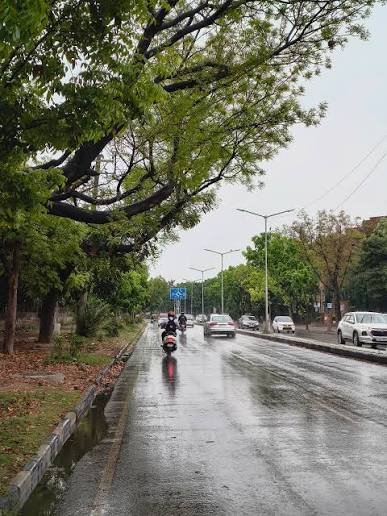
Chandigarh Weather Guide: Seasons, Temperature, Rainfall & Best Time to Visit
Chandigarh experiences a subtropical monsoon climate with four clearly defined seasons: summer, monsoon, post-monsoon and winter. Located at the foothills of the Shivalik ranges, the city experiences hot summers, a humid rainy season, pleasant autumn weather and cool winters.
If you are planning a trip, moving to Chandigarh, studying in the city or simply want to understand the local climate, this Chandigarh Weather Guide covers the city’s weather throughout the year.
Chandigarh Weather at a Glance
The India Meteorological Department‘s 1991–2020 climatological normals show an annual mean maximum temperature of around 31.4°C and mean minimum temperature of 18.9°C. Chandigarh receives about 758.9 mm of average annual rainfall, with the majority occurring during the southwest monsoon.
| Month | Avg. High | Avg. Low | Avg. Rainfall |
|---|---|---|---|
| January | 20.1°C | 7.5°C | 19.2 mm |
| February | 24.2°C | 10.6°C | 21.5 mm |
| March | 29.9°C | 15.6°C | 19.1 mm |
| April | 36.5°C | 21.3°C | 12.5 mm |
| May | 39.9°C | 25.8°C | 29.4 mm |
| June | 39.0°C | 27.7°C | 80.6 mm |
| July | 35.6°C | 27.5°C | 195.8 mm |
| August | 34.2°C | 26.7°C | 226.8 mm |
| September | 34.1°C | 25.0°C | 128.0 mm |
| October | 33.0°C | 19.5°C | 14.1 mm |
| November | 28.4°C | 13.0°C | 4.1 mm |
| December | 22.8°C | 8.4°C | 8.0 mm |
Source: India Meteorological Department, 1991–2020 climatological normals.
Chandigarh Weather in Summer
Summer generally lasts from mid-March to mid-June. Chandigarh can become very hot during April, May and June, with daytime temperatures frequently reaching the upper 30s.
May is particularly hot, with an IMD normal maximum of 39.9°C. June has a normal maximum of around 39°C, although temperatures can vary considerably during individual heatwave events.
What to Expect
- Hot afternoons
- Strong sunshine
- Increasing humidity toward June
- Occasional thunderstorms
- Very warm nights during peak summer
If you are sightseeing during summer, early morning and evening are generally more comfortable than the afternoon.
What to Wear
Light cotton clothing, sunglasses, comfortable footwear and sun protection are useful during the summer months. Carry water when exploring Chandigarh’s outdoor attractions.
Chandigarh Weather Guide During Monsoon
The monsoon season generally runs from late June to mid-September. The Chandigarh Administration identifies this as one of the city’s four main seasons.
Rainfall increases sharply during July and August. IMD’s climatological normals show average rainfall of approximately 195.8 mm in July and 226.8 mm in August, making August the wettest month in the normal climate record.
Monsoon Conditions
You can expect:
- High humidity
- Frequent rain
- Cloudy periods
- Thunderstorms
- Cooler temperatures during and after rain
- Occasional waterlogging during heavy rainfall
The monsoon also makes Chandigarh’s gardens, Sukhna Lake and surrounding green spaces particularly lush.
Chandigarh Weather in Autumn
Mid-September to mid-November is the post-monsoon and transition period according to the Chandigarh Administration.
September can still be warm and humid, but conditions gradually become drier. October is noticeably more comfortable, with an average maximum of about 33°C and substantially lower rainfall than the monsoon months. By November, daytime temperatures fall to an average of around 28.4°C.
This is one of the better periods for exploring Chandigarh’s outdoor attractions.
Chandigarh Weather in Winter
Winter generally extends from mid-November to mid-March. Chandigarh’s winters are cool and comparatively dry.
January is normally the coldest month. The IMD’s 1991–2020 data gives an average January minimum of 7.5°C and maximum of 20.1°C. December is slightly warmer on average, while February starts showing a clear increase in daytime temperatures.
Winter Conditions
Winter can bring:
- Cool mornings
- Chilly nights
- Pleasant afternoons
- Foggy periods
- Occasional cold waves
- Dry weather
Warm jackets, sweaters and layered clothing are recommended, particularly if you plan to spend early mornings outdoors.
Best Time to Visit Chandigarh
For most travellers, October to March is the most comfortable period to explore Chandigarh.
October and November
These months offer a good combination of comfortable outdoor conditions and relatively low rainfall.
December to February
Winter is ideal for sightseeing, heritage tours, gardens, shopping and exploring Chandigarh’s architecture. Early mornings can be cold, so layered clothing is useful.
March
March offers a pleasant transition into warmer weather and is another good month for outdoor activities.
April to June
Summer can be uncomfortable for extended outdoor sightseeing, particularly around midday.
July to September
The monsoon brings greenery and cooler periods but also humidity and frequent rainfall.
Chandigarh Weather for Outdoor Activities
Weather can significantly affect the experience at Chandigarh’s major outdoor attractions.
Sukhna Lake
Early mornings and evenings are generally preferable during warmer months. Monsoon weather can make the lake area particularly green.
Rock Garden
The Rock Garden involves considerable outdoor walking. October through March is generally more comfortable than the peak summer months.
Rose Garden
The Zakir Hussain Rose Garden is especially attractive during the cooler months, with the annual rose season providing an additional reason to visit.
Sukhna Wildlife Sanctuary
Winter and the cooler transition months can be comfortable for nature walks and permitted sanctuary activities. Visitors should check entry requirements before planning a visit.
Chandigarh Weather and Fog
Fog is a recurring winter weather feature. IMD’s climatological data records the highest average number of fog days in the colder months, particularly January and December.
Fog can affect:
- Morning visibility
- Road travel
- Flights
- Train services
- Outdoor activities
Travellers should allow additional time for journeys during dense winter fog.
Chandigarh Weather and Rainfall
Chandigarh receives most of its annual rainfall during the monsoon.
July, August and September account for a substantial portion of the city’s average annual rainfall. August has the highest monthly normal at approximately 226.8 mm, followed by July at 195.8 mm.
The comparatively dry conditions from October through May make this period more predictable for outdoor activities, although thunderstorms and occasional winter rainfall can still occur.
Chandigarh Weather Month by Month
January: Cold mornings, cool afternoons and occasional fog.
February: Pleasant daytime weather with gradually warming temperatures.
March: Comfortable early spring conditions with warmer afternoons.
April: Hot weather begins, with temperatures rising sharply.
May: One of the hottest months of the year.
June: Very hot, with increasing humidity and the approach of the monsoon.
July: Rainy and humid, with frequent monsoon showers.
August: Peak monsoon conditions and the highest average monthly rainfall.
September: Rain gradually decreases, although humidity can remain high.
October: Warm days and much drier conditions.
November: Comfortable days and cooler nights.
December: Cool winter weather with occasional fog.
What to Pack for Chandigarh
Your packing list should depend on the season.
Summer
- Cotton clothes
- Sunglasses
- Sunscreen
- Comfortable shoes
- Water bottle
- Light scarf or hat
Monsoon
- Umbrella
- Lightweight rain jacket
- Waterproof footwear
- Quick-drying clothes
Winter
- Jacket
- Sweater
- Warm socks
- Comfortable closed shoes
- Light layers for sunny afternoons
Chandigarh Weather Tips for Travellers
Check the forecast before heading out: Weather can change quickly, particularly during thunderstorms and the monsoon.
Plan outdoor activities around the temperature: During summer, schedule sightseeing for mornings or evenings.
Carry rain protection during monsoon: Sudden showers can occur even when the morning starts clear.
Layer clothing in winter: Temperatures can change significantly between morning and afternoon.
Allow extra travel time in fog: Winter visibility can affect road and air travel.
Stay hydrated: Chandigarh’s summer heat can be intense, particularly during May and June.
Is Chandigarh Weather Good for Living?
Chandigarh’s climate has distinct advantages and disadvantages.
The city offers pleasant winters and relatively comfortable spring and autumn seasons. Its extensive greenery, planned sectors and open spaces can make the cooler months particularly enjoyable.
The main challenge is the combination of high summer temperatures and monsoon humidity. Residents also need to prepare for occasional heatwaves, heavy rain and winter fog.
Overall, Chandigarh offers a varied climate with four clearly recognizable seasons rather than year-round hot or cold weather.
Final Thoughts
The Chandigarh weather changes dramatically throughout the year. Summers are hot, the monsoon is humid and rainy, autumn brings more comfortable conditions, and winter provides cool temperatures with occasional fog.
For sightseeing, October to March is generally the most comfortable period. If you enjoy greenery and don’t mind rain, the monsoon can offer a different side of the city. Summer visitors should plan outdoor activities carefully and avoid the hottest part of the day.
Understanding Chandigarh’s seasonal weather can help you plan everything from a weekend trip and outdoor sightseeing to daily commuting and long-term living in the city.
Chandigarh as an Education Hub: Colleges, Universities and Student Life
Comments are closed.