
Teej Celebrations in Chandigarh: Complete Festive Guide
Teej Celebrations in Chandigarh: Complete Festive Guide
The monsoon rains bring refreshing relief from summer heat, transforming the City Beautiful into a hub of music, colors, and timeless folklore. Known locally as Teeyan, the festival of Teej honors the divine union of Lord Shiva and Goddess Parvati, celebrating marital happiness, devotion, and the fertile revival of the earth. In Chandigarh, modern urban planning meets centuries-old Punjabi heritage to produce vibrant public gatherings, flower-draped swings (peeng), and sweet seasonal feasts.
Whether you are a lifelong resident or visiting the Tricity for the first time, this complete guide covers the history, traditions, top event spots, and shopping hubs that define Teej celebrations in Chandigarh.
The Cultural Significance of Teeyan in Punjab
Teej holds deep emotional and cultural resonance across North India, particularly in Punjab. Celebrated during the lunar month of Sawan, the festival historically centered around daughters and married women returning to their maternal homes (peke).
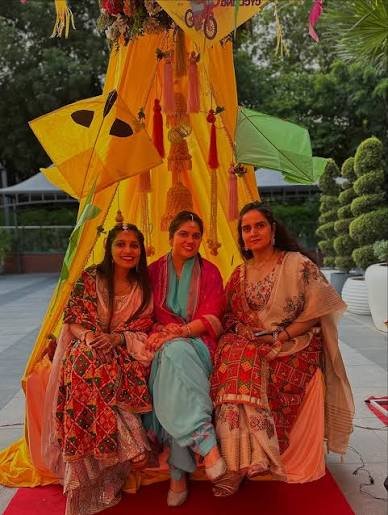
Away from the daily obligations of married life, women reunited with childhood friends to sing traditional folk couplets (boliyan), play games, and share stories. Clad in brilliant hues of green, mustard yellow, and crimson, they gathered in open village courtyards and mango groves where massive wooden swings swung high beneath the cloudy sky.
In urbanized Chandigarh, that communal warmth endures. Neighborhood parks, cultural academies, and municipal spaces come alive every year, keeping these ancestral folk arts accessible to newer generations.
Top Spots to Experience Teej Celebrations in Chandigarh
Chandigarh provides an ideal setting for Teej festivities, balancing wide green corridors with organized public venues. If you want to experience the festival firsthand, make sure to visit these key destinations:
1. The Iconic Fair at Rock Garden
The annual Teej celebration at the Rock Garden remains the premier festive destination in the city. Hosted in collaboration with the Chandigarh Administration and Tourism Department, this multi-day fair turns Nek Chand’s famous mosaic complex into a carnival.
Visitors walk past stone sculptures adorned with marigolds to reach the central amphitheater, where folk artists stage non-stop Giddha and Bhangra routines. Dozens of decorative rope swings hang from banyan and peepal branches across the garden. The event also features puppet shows, traditional pottery booths, and local street stalls.
2. Sector 17 Plaza & Punjab Kala Bhawan
In the heart of the city, the Sector 17 Urban Plaza hosts public cultural showcases featuring live performances by regional folk ensembles and college dance troupes.
Nearby, the Punjab Kala Bhawan (Punjab Arts Council) in Sector 16 organizes formal exhibitions of traditional handicrafts, Phulkari needlework, and classical Punjabi poetry recitals. These events provide a peaceful, culture-focused alternative to the bustling street fairs.
3. Panjab University (PU) Campus
Student councils and cultural departments at Panjab University host lively Teeyan Da Mela gatherings on campus grounds. Female students dress in traditional Punjabi attire to perform Giddha, compete in mehndi and rangoli design contests, and recreate rural heritage displays with rustic kitchen setups and spinning wheels (charkha).
4. Community Centers Across Sectors
Resident Welfare Associations (RWAs) in Sectors 15, 22, 35, and 40 organize private neighborhood functions. These localized events allow families to gather for sweet tastings, casual games, and group dances in local sector community halls without facing heavy traffic.
Festive Traditions: Swings, Attire, and Folk Dances
The sights and sounds of Teej stand out across the city’s markets and auditoriums:
-
The Tradition of the Peeng (Swing): No Teej event is complete without soaring swings decorated with fresh marigolds and green vines. Flying high on the swing symbolizes freedom, lighthearted youth, and joy at the arrival of the monsoon.
-
Giddha and Boliyan: Women form rhythmic circles, clapping and stepping in sync to the cadence of the dholki. The lyrics of the boliyan range from gentle teasing of in-laws to poetic descriptions of pouring rain and blooming fields.
-
Phulkari and Glass Bangles: Festive attire favors traditional craftsmanship. Women pair hand-embroidered Phulkari dupattas with Patiala suits, matching them with shimmering stacks of green and red glass bangles that clink with every dance step.
Culinary Delights: Ghevar, Kheer, and Malpua
The rainy season brings a distinct lineup of festive foods across the Tricity. Sweet shops and home kitchens prepare dishes that appear exclusively during the month of Sawan:
-
Ghevar: A honeycomb-patterned disc made from fried batter soaked in sugar syrup. You will find sweet shops in Sector 22, 35, and 8 packed with varieties ranging from classic plain ghevar to rich Malai Ghevar garnished with pistachios and silver foil (vark).
-
Kheer and Poore: A quintessential Punjabi monsoon comfort meal. Sweet rice pudding infused with cardamom pairs with soft, fried sweet pancakes (poore), making it a rainy-day staple in local households.
-
Teej Sandhara: In Punjabi culture, parents send gifts known as Sandhara to their married daughters. This festive hamper includes homemade sweets, mathri, seasonal clothes, makeup, and fresh henna cones.
Where to Shop for Teej in Chandigarh
Preparing for Teej involves picking up fresh ethnic wear, jewelry, and getting henna applied. The city’s bustling shopping corridors offer plenty of choices:
| Market | What to Buy | Festive Highlight |
| Sector 22 (Shastri Market) | Glass bangles, Phulkari suits, accessories | Expert mehndi artists set up along the corridors. |
| Sector 17 Plaza | Branded ethnic wear, traditional footwear (juttis) | Wide pedestrian corridors and lively evening atmosphere. |
| Sector 19 (Palika Bazaar) | Fabric, dupattas, affordable costume jewelry | Great deals on matching bangles and hair accessories (parandi). |
| Sector 35 Market | Premium sweets and takeaway festive platters | Known for fresh Malai Ghevar and seasonal delicacies. |
Practical Tips for Attending Teej Events
-
Plan for Weather: August weather in Chandigarh can alternate between sudden downpours and humid heat. Dress in breathable cotton blends and keep an umbrella handy.
-
Arrive Early for Key Venues: Crowds at the Rock Garden peak between 4:00 PM and 7:00 PM. Arrive by early afternoon to secure parking and enjoy the cultural performances comfortably.
-
Book Mehndi Sessions in Advance: If you want elaborate bridal or Arabic henna, visit market artists a day or two before the main festival day to avoid long queues.
Experience the Spirit of Chandigarh’s Heritage
Teej celebrations in Chandigarh bring generations together, uniting rustic Punjabi customs with the orderly rhythm of modern city life. From the energetic footwork of Giddha dancers at the Rock Garden to the sweet crunch of fresh ghevar, the festival provides an authentic way to experience local warmth, artistry, and heritage during the monsoon season.
Chandigarh Carnival Guide: Dates, Venue, Events & Things to Do
Comments are closed.