
Baisakhi Celebrations in Chandigarh: Complete City Guide
Baisakhi Celebrations in Chandigarh: Complete City Guide
Every April, the arrival of spring brings an unmistakable surge of energy across Punjab, and nowhere is this felt more dynamically than in the City Beautiful. Baisakhi marks both the beginning of the golden rabi harvest season and the historic creation of the Khalsa Panth by Guru Gobind Singh Ji in 1699. In Chandigarh, the occasion blends spiritual devotion with high-spirited cultural carnivals, creating an atmosphere filled with the beats of the dhol, colorful turbans, and hearty community feasts.
Whether you seek quiet morning prayers or the vibrant rhythm of street performances, here is everything you need to know about celebrating Baisakhi in the Tricity.
The Dual Significance of Baisakhi
For the agrarian communities of northern India, Baisakhi is a day of thanksgiving. Farmers witness the fruits of months of labor as wheat fields turn golden, ready for harvesting.
Simultaneously, the day holds profound spiritual significance in Sikh history. In 1699 at Anandpur Sahib, the tenth Sikh guru, Guru Gobind Singh Ji, established the Khalsa order, instilling principles of bravery, equality, and service. This dual nature—celebrating abundant nature and community resilience—shapes every event held throughout Chandigarh.
Top Places to Experience Baisakhi Celebrations in Chandigarh
Chandigarh’s wide boulevards and public arenas offer multiple ways to join the festivities:
1. Gurudwara Nada Sahib (Panchkula)
Located just across the border on the banks of the Ghaggar River, Gurudwara Nada Sahib is the primary pilgrimage site for Tricity residents on Baisakhi morning. Devotees begin arriving before dawn for special Gurbani kirtan, holy dips, and Ardas. The massive community kitchen (langar) serves hundreds of thousands of visitors through selfless volunteer service (seva), exemplifying the core philosophy of the festival.
2. Gurudwara Sri Guru Singh Sabha (Sector 34)
For those staying central within Chandigarh, the Sector 34 Gurudwara serves as the city’s focal spiritual gathering point. Decorated with fresh floral arrangements and night illuminations, the complex hosts continuous recitations from the Guru Granth Sahib, special lectures on Sikh heritage, and community meal distribution throughout the day.
3. Sector 17 Urban Plaza
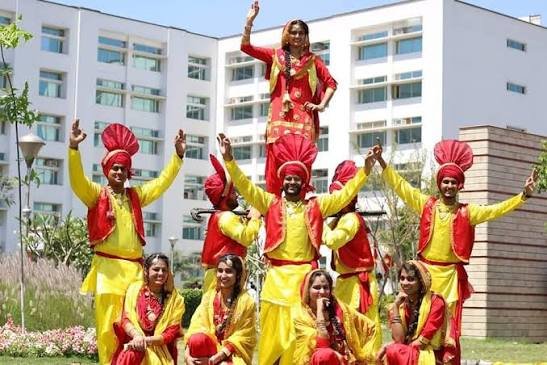
If you want to experience the folk and cultural side of the festival, head to Sector 17 Plaza by afternoon. The open-air promenade hosts cultural programs arranged by local youth clubs and municipal bodies. You will witness live, thunderous Bhangra and Giddha performances by university troupes, traditional wrestling displays, and street musicians singing folk legends.
4. Sector 34 Exhibition Ground & Punjab Kala Bhawan
Every year around Baisakhi, the Sector 34 grounds turn into a massive mela featuring amusement rides, handicraft booths, and stalls selling Phulkari dupattas and Punjabi juttis. Meanwhile, Punjab Kala Bhawan in Sector 16 organizes classical plays, folk music concerts, and art exhibitions dedicated to Punjab’s rural traditions.
Authentic Food & Baisakhi Delicacies
Festivities in Chandigarh are incomplete without traditional culinary indulgences. From street markets to iconic dhabas, special menus feature authentic seasonal treats:
-
Sarson da Saag & Makki di Roti: Though traditionally a winter dish, rural households and local dhabas in Sectors 22 and 26 serve hearty platters finished with fresh white butter.
-
Kada Prasad & Sweet Rice: The rich, ghee-laden wheat flour prasad received at gurudwaras, along with yellow sweet saffron rice (Meethe Chawal), remains a signature festive treat.
-
Chole Bhature & Chilled Lassi: The outdoor food courts in Sector 17 and Sector 35 see crowds flocking for crispy bhaturas paired with sweet or salted churned buttermilk served in earthen glasses (kulhads).
-
Crisp Jalebis: Halwais across the city fry swirling batches of hot, golden jalebis soaked in fragrant sugar syrup.
Practical Tips for Visitors & Families
| Aspect | Recommendation |
| Morning Routine | Visit Gurudwaras early (between 5:00 AM and 8:00 AM) to avoid long queues during peak prayer hours. |
| Etiquette | Keep your head covered with a scarf or rumāl and remove footwear before entering any gurudwara premises. |
| Attire | Bright, vibrant ethnic clothing—kurta-pajamas with colorful turbans for men and Patiala suits for women. |
| Evening Hangouts | Explore Sector 17 Plaza or the promenade at Sukhna Lake for sunset strolls and open-air festive vibes. |
Celebrating Togetherness
Baisakhi in Chandigarh is an uplifting display of gratitude, unity, and shared cultural pride. Whether you join hands in prayer at Nada Sahib or tap your feet to the rhythm of the dhol at Sector 17, the city welcomes everyone with warm hospitality and spirited celebration.