
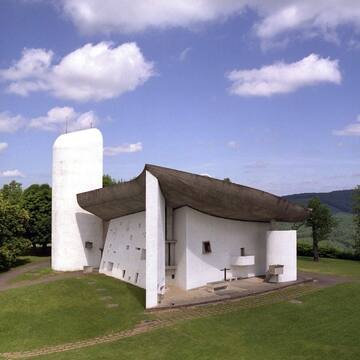
How Chandigarh Was Born – The Architectural Work of Le Corbusier
Chandigarh is more than just a city; it is a symbol of modern India’s ambition, planning, and architectural excellence. After the partition of India in 1947, Punjab lost its historic capital Lahore to Pakistan. This created the need for a new capital city, leading to the birth of Chandigarh. The responsibility of designing this futuristic city was given to the world-renowned architect Le Corbusier, whose vision transformed Chandigarh into one of the most celebrated planned cities in the world.
Today, the architectural work of Le Corbusier continues to attract architects, historians, and tourists from across the globe. Chandigarh remains one of the finest examples of modern urban planning and showcases the brilliance of the architectural work of Le Corbusier in India.
The Beginning of Chandigarh’s Journey
The idea of Chandigarh was envisioned by India’s first Prime Minister, Jawaharlal Nehru, who wanted a city that represented the spirit of a newly independent nation. In 1951, Le Corbusier was appointed to develop the city’s master plan. The famous Chandigarh Le Corbusier plan divided the city into self-sufficient sectors connected through a well-organized road network.
The Chandigarh Le Corbusier plan was inspired by the concept of a living organism. Le Corbusier described the Capitol Complex as the “head” of the city, Sector 17 as the “heart,” and the green belts as the “lungs” of Chandigarh. This innovative approach made the city functional, beautiful, and sustainable.
Architectural Work of Le Corbusier in Chandigarh
The most iconic Le Corbusier buildings in Chandigarh are located within the Capitol Complex. These include the High Court, Secretariat Building, and Palace of Assembly. Together, these Le Corbusier buildings form one of the most significant modern architectural ensembles in the world and have been recognized as a UNESCO World Heritage Site.
The design philosophy behind these structures was heavily influenced by the Le Corbusier 5 points of architecture. These principles include pilotis (columns), free façade design, open floor plans, horizontal windows, and roof gardens. The Le Corbusier 5 points of architecture can be seen in many elements of Chandigarh’s government buildings, making the city a living textbook of modern architecture.
Le Corbusier India: A Lasting Legacy
When discussing Le Corbusier India, Chandigarh stands as his greatest contribution. The city reflects his vision of order, functionality, and harmony between urban development and nature. The influence of Le Corbusier India extends beyond Chandigarh, inspiring generations of architects and urban planners across the country.
Many architecture students travel to Chandigarh specifically to study the city’s layout and understand how modernist concepts were adapted to Indian climatic and cultural conditions. This makes Chandigarh a landmark destination in the story of Le Corbusier India.
Exploring the Le Corbusier Centre Chandigarh
A visit to the Le Corbusier Centre Chandigarh offers fascinating insights into the architect’s work and vision. Located in Sector 19, the museum occupies the original office where Le Corbusier and his team developed plans for the city. The Le Corbusier Centre Chandigarh features photographs, sketches, architectural models, furniture, and historical documents related to Chandigarh’s development.
Architecture enthusiasts often describe the Le Corbusier Centre Chandigarh as the birthplace of modern Chandigarh because many of the city’s original concepts were created within its walls.
Le Corbusier Museum Chandigarh: Preserving History
Often referred to as the Le Corbusier Museum Chandigarh, this heritage center preserves the legacy of one of the world’s greatest architects. The Le Corbusier Museum Chandigarh provides visitors with a deeper understanding of the planning process, architectural innovations, and design philosophy behind Chandigarh.
For anyone interested in architecture, a visit to the Le Corbusier Museum Chandigarh is essential to appreciate the city’s remarkable history.
Books About Le Corbusier Worth Reading
Those interested in learning more about the architect can explore several excellent books about Le Corbusier. These publications cover his philosophy, urban planning concepts, and architectural masterpieces around the world. Some of the most recommended books about Le Corbusier discuss Chandigarh’s development and his influence on modern architecture.
A classic Le Corbusier book such as “Towards a New Architecture” provides valuable insight into his revolutionary ideas. Another popular Le Corbusier book explores his urban planning theories and the creation of Chandigarh.
The Story Behind the Le Corbusier Chair
Architecture lovers are often curious about the famous Le Corbusier chair, which became a symbol of modern furniture design. The iconic Le Corbusier chair reflects the same principles of simplicity, functionality, and elegance found in his architectural works. While Chandigarh is primarily known for its buildings, furniture designed during the city’s development, particularly by Pierre Jeanneret and the design team, has become globally celebrated.
Conclusion
The birth of Chandigarh represents one of the most ambitious urban planning projects of the twentieth century. Through the visionary architectural work of Le Corbusier, a city emerged that continues to inspire architects and planners worldwide. From the iconic Le Corbusier buildings of the Capitol Complex to the educational experiences offered by the Le Corbusier Centre Chandigarh and Le Corbusier Museum Chandigarh, the city stands as a testament to modern architecture.
Whether you are exploring the Chandigarh Le Corbusier plan, studying the Le Corbusier 5 points of architecture, reading a Le Corbusier book, Architectural Work of Le Corbusier, discovering books about Le Corbusier, learning about Le Corbusier India, or admiring the timeless Le Corbusier chair, Chandigarh offers a remarkable journey into the mind of a master architect.
Read more posts on – https://topchandigarh.com/