
9 Fascinating Facts About Asia’s Largest Rose Garden You Should Know
Asia’s Largest Rose Garden –
Chandigarh is home to many iconic attractions, but few are as colorful, fragrant, and beloved as the Zakir Hussain Rose Garden. Known for its breathtaking floral displays and expansive landscape, this botanical wonder has earned international recognition as the largest rose garden in asia. Every year, thousands of tourists, photographers, nature lovers, and gardening enthusiasts visit the garden to experience its extraordinary beauty.
Spread across nearly 30 acres in Sector 16, Chandigarh, the garden is more than just a tourist attraction. It is a symbol of the city’s commitment to green spaces, environmental conservation, and public recreation. Let’s explore some fascinating facts about asia’s largest rose garden and discover why it remains one of India’s most visited floral destinations.
1. It Is Truly the Largest Rose Garden in Asia
One of the most remarkable facts about the Zakir Hussain Rose Garden is that it is widely recognized as the largest rose garden in asia. Covering approximately 30 acres of land, the garden houses an impressive collection of roses, making it a significant attraction not only in India but across the continent.
The title of largest rose garden in asia has helped place Chandigarh on the global tourism map and continues to attract visitors from around the world.
2. It Was Established in 1967
The garden was established in 1967 under the guidance of Dr. M.S. Randhawa, Chandigarh’s first Chief Commissioner. His vision was to create a world-class botanical garden that would complement the city’s planned urban landscape.
Today, asia’s largest rose garden stands as a testament to that vision, showcasing decades of horticultural excellence and careful maintenance.
3. More Than 1,600 Varieties of Roses Bloom Here
One of the biggest reasons people visit asia’s largest rose garden is its incredible diversity of roses. The garden features more than 1,600 species and varieties collected from different parts of India and the world.
Visitors can admire hybrid teas, floribundas, grandifloras, miniature roses, climbing roses, and several rare species that are difficult to find elsewhere.
4. It Is Named After Dr. Zakir Hussain
Although many people simply refer to it as the Rose Garden, its official name is Zakir Hussain Rose Garden, honoring India’s third President, Dr. Zakir Hussain.
This distinction adds historical significance to the largest rose garden in asia, making it an important cultural landmark in addition to being a botanical attraction.
5. The Garden Features More Than Roses
Despite being famous for its floral collection, asia’s largest rose garden offers much more than roses. The garden also includes:
- Medicinal plants
- Herbal species
- Decorative shrubs
- Mature trees
- Seasonal flower beds
This diversity contributes to the ecological value of the garden and enhances the visitor experience throughout the year.
6. The Rose Festival Is a Major Attraction
Every year, the garden hosts Chandigarh’s famous Rose Festival, attracting thousands of visitors. During the event, the largest rose garden in asia becomes even more vibrant with flower exhibitions, cultural performances, competitions, and food stalls.
The festival has become one of Chandigarh’s most anticipated annual events and plays a significant role in promoting tourism.
7. It Is a Photographer’s Paradise
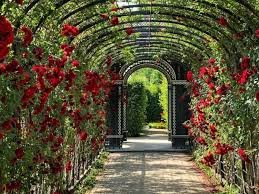
The colorful flower beds, landscaped pathways, fountains, and open lawns make asia’s largest rose garden one of the most photogenic locations in Chandigarh.
Professional photographers, wedding couples, social media creators, and nature enthusiasts frequently visit to capture stunning images during the blooming season.
The best photographs are usually taken during early morning hours when the roses are fresh and the lighting conditions are ideal.
8. It Supports Environmental Sustainability
The largest rose garden in asia contributes significantly to Chandigarh’s environmental health. The vast green space helps improve air quality, supports biodiversity, and provides a natural recreational area for residents.
Urban planners often cite the garden as an excellent example of integrating large-scale green infrastructure into a modern city.
Its success demonstrates how public gardens can contribute to both environmental sustainability and community well-being.
9. It Reflects Chandigarh’s Planning Philosophy
One reason asia’s largest rose garden fits so naturally into Chandigarh is that it aligns with the city’s original planning principles. Le Corbusier and other planners emphasized the importance of open spaces, greenery, and public recreation.
The garden complements nearby attractions such as Leisure Valley and serves as an essential part of Chandigarh’s green network.
Its continued popularity highlights the enduring success of the city’s vision for a balanced urban environment.
Why the Garden Remains a Must-Visit Destination
Visitors continue to flock to asia’s largest rose garden because it offers something for everyone. Whether you’re interested in horticulture, photography, relaxation, fitness, or family outings, the garden provides a memorable experience.
Its combination of floral beauty, historical significance, environmental value, and accessibility makes it one of Chandigarh’s most cherished landmarks.
The title of largest rose garden in asia is not merely a claim—it reflects decades of dedication to preserving one of the continent’s most impressive botanical spaces.
Best Time to Visit
The ideal time to explore the largest rose garden in asia is between February and March, when most rose varieties are in full bloom. During this period, visitors can experience the garden at its most colorful and fragrant.
The annual Rose Festival also takes place around this time, providing additional attractions and activities for tourists.
Conclusion
The Zakir Hussain Rose Garden is much more than a collection of flowers. As asia’s largest rose garden, it represents Chandigarh’s commitment to beauty, sustainability, and public well-being. From its impressive collection of roses and medicinal plants to its role as a cultural and environmental landmark, the garden continues to enchant visitors year after year.
Whether you are a nature enthusiast, photographer, traveler, or gardening lover, exploring the largest rose garden in asia is an experience that should not be missed. It remains one of the finest examples of how urban green spaces can enrich both a city and the lives of its residents.
Read more blogs about chandigarh on – https://topchandigarh.com/