
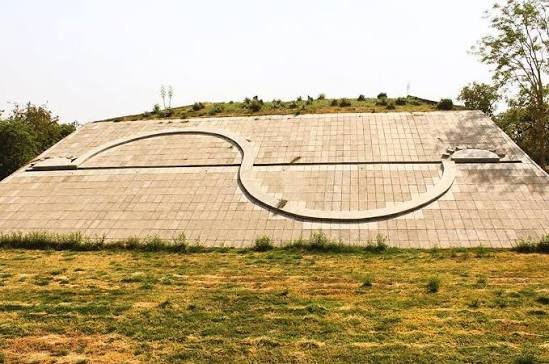
Geometric Hill and Monument Analysis: Symbols of Chandigarh’s Architectural Vision
Chandigarh is often celebrated for its planned sectors, modern architecture, and unique urban design. However, beyond its government buildings and wide boulevards lies a collection of symbolic structures that represent the city’s philosophy and cultural identity. Among these landmarks, Geometric Hill and the Open Hand Monument stand out as powerful examples of artistic expression and civic symbolism.
For visitors exploring Chandigarh’s heritage, these structures offer a deeper understanding of the vision that shaped India’s first planned city. This article examines the significance of geometric hill chandigarh and its relationship with some of the most iconic chandigarh monuments.
Understanding Geometric Hill Chandigarh
Located within the Capitol Complex, geometric hill chandigarh is one of the lesser-known yet highly symbolic features designed by Le Corbusier. Unlike conventional monuments or landscaped parks, the hill was conceived as an abstract architectural element that complements the surrounding civic structures.
The design of geometric hill chandigarh reflects Le Corbusier’s fascination with geometry, proportion, and spatial relationships. Rather than serving a practical purpose, it functions as a visual and symbolic landmark that enhances the monumental character of the Capitol Complex.
Visitors often overlook this unique structure, but architecture enthusiasts recognize it as an important part of Chandigarh’s overall urban composition.
The Role of Monuments in Chandigarh’s Identity
The city is home to several notable chandigarh monuments that reflect the ideals of democracy, progress, and modernity. Unlike traditional Indian monuments that commemorate rulers or historical events, Chandigarh’s monuments were designed to express concepts and values.
Many of these chandigarh monuments were envisioned as integral parts of the city’s master plan rather than standalone attractions. They contribute to the broader narrative of Chandigarh as a symbol of a newly independent and forward-looking nation.
Today, these monuments attract tourists, photographers, researchers, and architecture students from around the world.
The Open Hand Monument of Chandigarh
Among all the symbolic structures in the city, the open hand monument of chandigarh remains the most recognizable. Designed by Le Corbusier, the monument features a giant metal hand mounted on a rotating structure that moves with the wind.
The open hand monument of chandigarh represents the philosophy of “open to give, open to receive.” It symbolizes peace, unity, exchange of ideas, and mutual understanding. These ideals were particularly meaningful during the creation of Chandigarh as a city built to represent hope and progress after India’s independence.
Today, the monument has become an iconic symbol not only of Chandigarh but also of modern Indian architecture.
Famous Monuments of Chandigarh Worth Exploring
Several famous monuments of chandigarh contribute to the city’s architectural significance. Along with the Open Hand Monument, visitors can explore the Tower of Shadows, Geometric Hill, and other symbolic installations located within the Capitol Complex.
These famous monuments of chandigarh showcase Le Corbusier’s innovative approach to architecture and urban design. Each structure was carefully positioned to create visual harmony while reinforcing the city’s philosophical and civic ideals.
Their unique forms and symbolism distinguish Chandigarh from other Indian cities known primarily for historical or religious landmarks.
Monument in Chandigarh: More Than Just Architecture
Every major monument in chandigarh tells a story about the city’s development and identity. Unlike traditional memorials, these structures often represent abstract ideas such as governance, freedom, environmental harmony, and human connection.
A monument in chandigarh is not simply an object to be admired; it is part of a larger urban narrative. The city’s monuments were designed to interact with public spaces, landscapes, and government buildings, creating a cohesive architectural experience.
This integration of symbolism and planning is one of the reasons Chandigarh continues to be studied by architects and urban planners worldwide.
Historical Monuments of Chandigarh and Their Importance
Although Chandigarh is a relatively young city compared to many historic Indian destinations, it still possesses significant historical monuments of chandigarh that reflect an important period in the nation’s development.
The historical monuments of chandigarh represent India’s transition into a modern democratic state. They document the country’s post-independence aspirations and showcase how architecture was used as a tool for nation-building.
As a result, these monuments hold historical value beyond their architectural significance, making them important cultural assets for future generations.
Exploring Monuments in Chandigarh as a Tourist
Visitors looking to discover monuments in chandigarh will find that many of the city’s most important landmarks are concentrated within the Capitol Complex area. Guided tours provide valuable insights into the symbolism, history, and design principles behind these structures.
The collection of monuments in chandigarh offers a unique experience compared to traditional heritage destinations. Rather than focusing on ancient history, they highlight modern architecture, civic planning, and visionary design.
This distinctive character makes Chandigarh a fascinating destination for travelers interested in contemporary heritage and urban development.
Architectural Significance of Geometric Hill and the Open Hand
The relationship between geometric hill chandigarh and the Open Hand Monument demonstrates Le Corbusier’s holistic design philosophy. Both structures were intended to work together within the broader landscape of the Capitol Complex.
While Geometric Hill provides a sculptural landform that interacts with the surrounding space, the Open Hand Monument introduces movement and symbolism. Together, they create a powerful visual composition that enhances the overall character of the complex.
Their continued relevance highlights the success of Chandigarh’s original planning vision.
Conclusion
Geometric Hill and the Open Hand Monument remain among the most significant architectural symbols in Chandigarh. Alongside other chandigarh monuments, they help tell the story of a city that was designed to represent modernity, democracy, and progress.
Whether exploring geometric hill chandigarh, admiring the open hand monument of chandigarh, or learning about the historical monuments of chandigarh, visitors gain a deeper appreciation for the city’s unique heritage. These structures are more than landmarks—they are enduring expressions of Chandigarh’s identity and the visionary ideas that continue to inspire generations of architects and urban planners.