

Sikkim Height From Sea Level
Sikkim Height From Sea Level: Elevation, Altitude, Climate & Travel Guide
Sikkim height from sea level ranges from approximately 280 metres (920 feet) in the southern valleys to an impressive 8,586 metres (28,169 feet) at Mount Kanchenjunga, the third-highest mountain in the world. This remarkable elevation range makes Sikkim one of India’s most geographically diverse Himalayan states, offering everything from lush subtropical forests and peaceful valleys to alpine meadows, glaciers, and snow-covered mountain peaks.
Understanding the Sikkim elevation is important for travellers planning their trip, as altitude directly affects the weather, road conditions, trekking routes, biodiversity, and even health at higher elevations. Whether you are visiting Gangtok, Nathula Pass, Yumthang Valley, or Pelling, knowing the altitude helps you choose the best season and prepare for your journey.
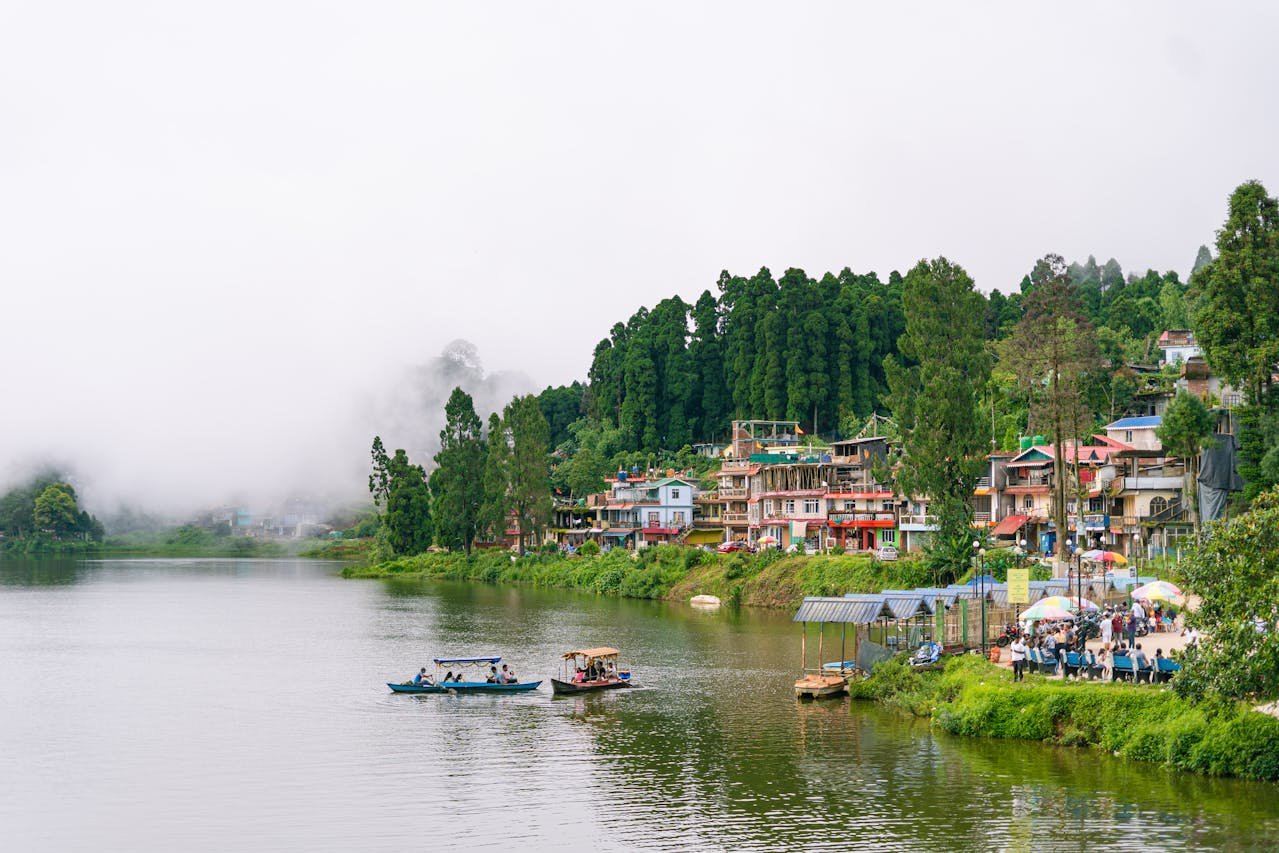
Sikkim Height From Sea Level (Quick Facts)
The state of Sikkim stretches from the foothills of the Eastern Himalayas to the towering summit of Mount Kanchenjunga. Because of this extraordinary altitude variation, visitors can experience multiple climate zones within a relatively short distance. This geographical diversity contributes to Sikkim’s rich biodiversity, scenic beauty, and popularity among nature lovers and adventure enthusiasts.
| Feature | Details |
|---|---|
| State | Sikkim |
| Region | Eastern Himalayas |
| Height From Sea Level | 280 metres – 8,586 metres |
| Height in Feet | 920 ft – 28,169 ft |
| Average Elevation | Approximately 1,500 metres (4,920 ft) |
| Highest Point | Mount Kanchenjunga – 8,586 metres |
| Lowest Elevation | Southern river valleys – around 280 metres |
| Capital City | Gangtok (Approx. 1,650 metres) |
| Climate | Subtropical, Temperate, Alpine and Glacial |
This dramatic elevation range explains why Sikkim offers a unique combination of warm valleys, cool hill towns, alpine landscapes, glaciers, and some of the highest motorable roads in India. It is one of the primary reasons why the state attracts tourists, trekkers, photographers, wildlife enthusiasts, and spiritual travellers throughout the year.
Why Does Sikkim Have Such a Wide Elevation Range?
Unlike most Indian states that remain at a relatively uniform altitude, Sikkim extends from low-lying Himalayan foothills to the mighty Mount Kanchenjunga. As a result, the state’s elevation increases rapidly over a short distance, creating distinct ecological zones and diverse weather conditions.
This variation in Sikkim’s altitude influences everything from vegetation and wildlife to agriculture, snowfall, trekking opportunities, and tourism. Visitors can explore tropical forests in the south and snow-covered Himalayan landscapes in the north within the same trip.
Sikkim Height From Sea Level (Elevation Range)
The height of Sikkim from sea level ranges from approximately 280 metres (920 feet) to more than 8,586 metres (28,169 feet). This extraordinary vertical range makes Sikkim one of the most topographically diverse regions in the world. The higher elevations remain snow-covered for much of the year, while the lower valleys enjoy a relatively mild subtropical climate.
Sikkim Elevation Overview
| Feature | Details |
|---|---|
| Minimum Elevation | 280 metres (920 ft) |
| Maximum Elevation | 8,586 metres (28,169 ft) |
| Highest Peak | Mount Kanchenjunga |
| Average Elevation | Approx. 1,500 metres |
| Capital | Gangtok – 1,650 metres |
| Major Terrain | Valleys, hills, alpine meadows, glaciers, snow-covered mountains |
The combination of varying elevations creates breathtaking landscapes and supports one of India’s richest ecosystems, making Sikkim a favourite destination for trekking, sightseeing, wildlife tourism, and adventure travel.
Understanding Sikkim Altitude Zones
One of the unique characteristics of Sikkim is its remarkable variation in altitude. As the elevation increases, the landscape, climate, vegetation, and travel experiences change significantly. The state can be broadly divided into four major altitude zones, each offering a distinct natural environment and tourist experience.
Major Altitude Zones in Sikkim
| Altitude Zone | Elevation Range | Climate & Key Features |
|---|---|---|
| Low Hills | 280–800 metres | Subtropical forests, warm climate, fertile valleys and rivers. |
| Mid Hills | 800–1,600 metres | Pleasant weather, agricultural land, villages and scenic viewpoints. |
| High Hills | 1,600–3,500 metres | Cool temperatures, popular hill stations, monasteries and trekking routes. |
| Alpine Zone | Above 3,500 metres | Snow-covered mountains, glaciers, alpine meadows and high-altitude passes. |
These altitude zones are the reason Sikkim experiences diverse ecosystems within a relatively small geographical area. Visitors can travel from lush green valleys to snow-covered Himalayan landscapes in just a few hours.
Climate Impact Due to Sikkim Height From Sea Level
The Sikkim height from sea level has a direct influence on temperature, rainfall, vegetation, and seasonal weather conditions. Lower elevations experience a humid subtropical climate, while higher Himalayan regions remain cold throughout the year and receive heavy snowfall during winter.
Season-wise Climate Based on Altitude
| Season | Average Temperature | Travel Experience |
|---|---|---|
| Spring (March–May) | 10°C – 25°C | Blooming flowers, pleasant weather and ideal sightseeing conditions. |
| Monsoon (June–September) | 8°C – 20°C | Heavy rainfall, lush greenery and occasional landslides. |
| Autumn (October–November) | 5°C – 18°C | Crystal-clear mountain views and comfortable weather. |
| Winter (December–February) | -10°C – 10°C | Snowfall in higher regions, ideal for snow lovers and winter photography. |
Travellers visiting destinations above 3,000 metres should always check the latest weather conditions before planning their itinerary, especially during winter and the monsoon season.
Sikkim Elevation and Tourism
The state’s changing elevation makes Sikkim one of India’s most diverse travel destinations. Every altitude offers a different experience—from peaceful monasteries and vibrant hill towns to alpine lakes, glaciers, mountain passes and panoramic Himalayan viewpoints.
Popular Tourist Places and Their Height From Sea Level
| Tourist Destination | Height From Sea Level | Highlights |
|---|---|---|
| Gangtok | 1,650 metres | Capital city, monasteries, MG Marg, ropeway and viewpoints. |
| Pelling | 2,150 metres | Kanchenjunga views, Skywalk and historic monasteries. |
| Lachung | 2,700 metres | Picturesque Himalayan village and gateway to Yumthang Valley. |
| Yumthang Valley | 3,564 metres | Valley of Flowers, alpine meadows and seasonal blooms. |
| Nathula Pass | 4,310 metres | Historic Indo-China border pass with breathtaking mountain scenery. |
Because every destination sits at a different altitude, travellers can experience changing weather, landscapes and ecosystems throughout their journey. This diversity makes Sikkim one of the best Himalayan states for road trips, trekking, photography and nature tourism.
How Altitude Influences Travel in Sikkim
The elevation of each destination affects more than just the weather. Higher altitudes generally have lower oxygen levels, colder temperatures and thinner air, while lower regions remain warmer and more comfortable throughout the year. Understanding these altitude differences helps travellers choose suitable clothing, plan sightseeing activities and prepare for high-altitude travel if visiting places such as Nathula Pass or Yumthang Valley.
Whether you are travelling for adventure, spirituality, photography or family vacations, knowing the Sikkim altitude helps you make informed travel decisions and enjoy a safer, more comfortable experience.
Health & Acclimatization in High Altitude Areas
Due to the significant variation in Sikkim height from sea level, travelers visiting higher-altitude destinations should take basic health precautions. While places like Gangtok are comfortable for most visitors, regions such as Nathula Pass, Gurudongmar Lake, and Yumthang Valley may have lower oxygen levels, especially above 3,000 metres.
Essential Health Tips for High-Altitude Travel
- Allow your body to acclimatize before travelling to elevations above 3,000 metres.
- Stay hydrated by drinking plenty of water throughout your journey.
- Avoid alcohol and smoking at higher altitudes.
- Carry warm clothing, gloves, and waterproof jackets, even during summer.
- Eat light meals and avoid overexertion during the first day at high elevations.
- If you experience dizziness, severe headaches, or breathing difficulties, descend to a lower altitude and seek medical assistance.
Proper acclimatization allows visitors to enjoy Sikkim’s breathtaking mountain landscapes safely while reducing the risk of altitude sickness.
Sikkim Height and Biodiversity
The remarkable elevation difference across Sikkim creates one of the richest biodiversity regions in India. As the altitude changes, the vegetation and wildlife also change dramatically, making the state a paradise for nature lovers and wildlife enthusiasts.
- Dense subtropical forests in lower valleys.
- Temperate oak and rhododendron forests in mid-altitudes.
- Beautiful alpine meadows in higher regions.
- Snow-covered glaciers and rugged Himalayan peaks.
- Rare orchids, red pandas, Himalayan birds, and medicinal plants.
Because of this ecological diversity, Sikkim is recognised as one of India’s most important biodiversity hotspots.
Best Time to Visit Sikkim Based on Altitude
The ideal time to visit depends on the altitude and the type of experience you are looking for.
| Season | Best For |
|---|---|
| March – May | Flowers, sightseeing, trekking and pleasant weather. |
| October – November | Crystal-clear Himalayan views and comfortable temperatures. |
| December – February | Snowfall in higher regions and winter photography. |
| June – September | Lush greenery, although heavy rainfall may cause landslides. |
For most travellers, March to May and October to November offer the best weather for exploring Sikkim’s diverse landscapes.
Travel Tips for Exploring Sikkim’s Elevation
- Carry layered clothing because temperatures vary significantly with altitude.
- Keep a buffer day in your itinerary when visiting high-altitude destinations.
- Check weather and road conditions before travelling to mountain passes.
- Respect local environmental guidelines and avoid littering.
- Carry essential medicines and a reusable water bottle.
- Travel with valid permits where required for protected areas.
Responsible travel helps preserve Sikkim’s fragile Himalayan ecosystem while ensuring a safe and enjoyable journey.
Frequently Asked Questions (FAQs)
What is the height of Sikkim from sea level?
Sikkim ranges from approximately 280 metres (920 feet) to 8,586 metres (28,169 feet), making it one of India’s most geographically diverse states.
What is the average elevation of Sikkim?
The average elevation of Sikkim is approximately 1,500 metres (4,920 feet) above sea level.
Which is the highest point in Sikkim?
Mount Kanchenjunga, standing at 8,586 metres, is the highest point in Sikkim and the third-highest mountain in the world.
Is Gangtok located at a high altitude?
Yes. Gangtok is situated at an elevation of approximately 1,650 metres, offering a pleasant mountain climate throughout much of the year.
Can visitors experience altitude sickness in Sikkim?
Altitude sickness is uncommon in Gangtok but may occur in places above 3,000 metres, such as Nathula Pass and Yumthang Valley.
When is the best time to visit Sikkim?
March to May and October to November are generally considered the best months for sightseeing, trekking, and enjoying clear mountain views.
Conclusion
Sikkim height from sea level ranges from approximately 280 metres to 8,586 metres, making it one of the most spectacular Himalayan destinations in India. This extraordinary variation in altitude shapes the state’s climate, biodiversity, landscapes, and tourism experiences. From the vibrant streets of Gangtok to the snow-covered heights of Nathula Pass and the majestic Mount Kanchenjunga, every elevation offers something unique for travellers.
Whether you are planning a family holiday, an adventure trip, or a nature getaway, understanding Sikkim’s elevation helps you prepare better and enjoy a safer, more memorable journey through one of India’s most beautiful mountain states.
Read More: Gangotri Height From Sea Level