
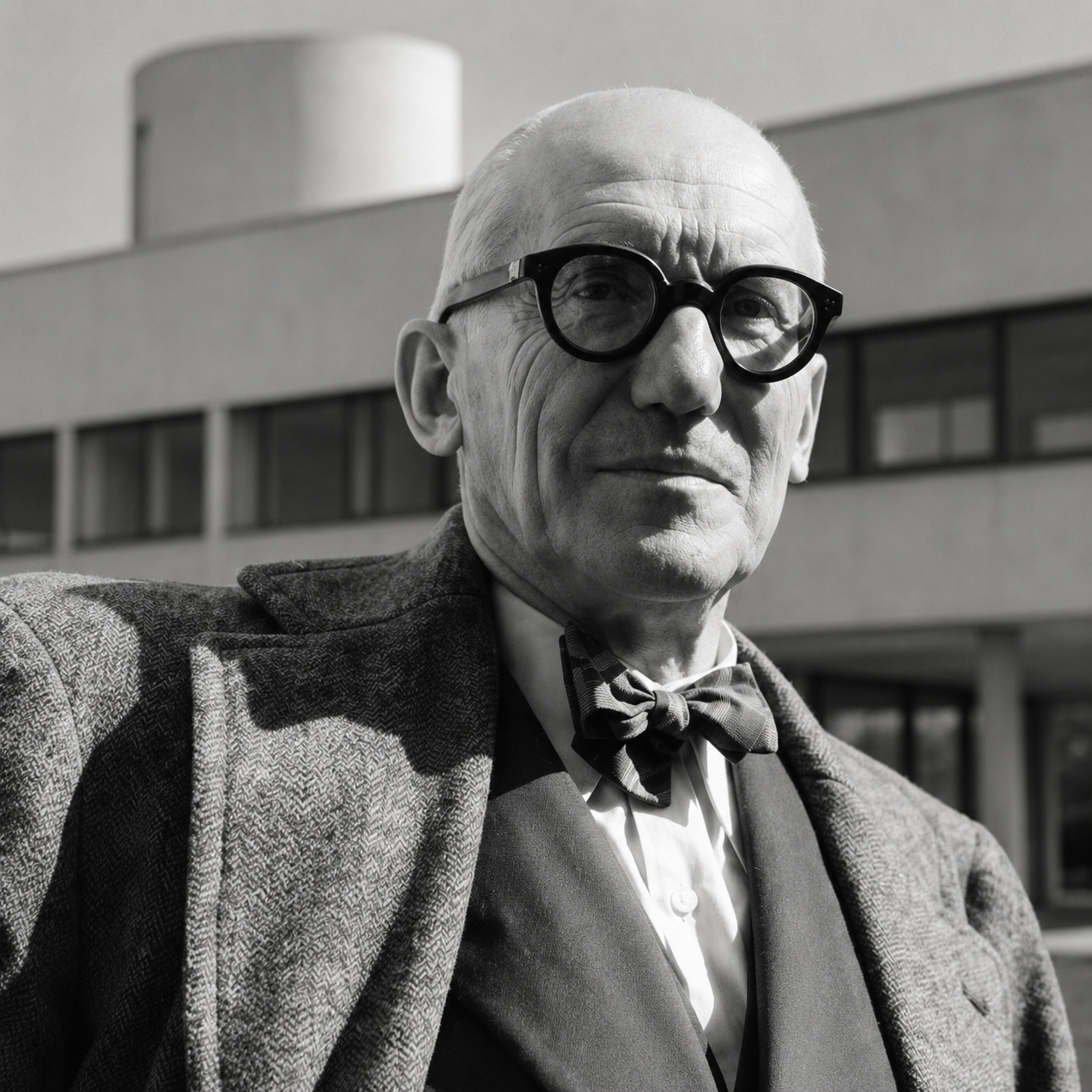
The Mastermind Behind the City: Pierre Jeanneret and Le Corbusier
Chandigarh is widely recognized as India’s first planned city and one of the world’s greatest examples of modern urban design. While the name Le Corbusier is often associated with the city’s creation, another visionary architect played an equally important role in shaping Chandigarh’s identity—Pierre Jeanneret. Together, Pierre Jeanneret and Le Corbusier transformed an ambitious post-independence project into a global architectural landmark.
Today, their contributions continue to influence architects, urban planners, and designers around the world. Understanding the work of Pierre Jeanneret and Le Corbusier provides valuable insight into how Chandigarh became the “City Beautiful” and a symbol of modern India’s aspirations.
Who Was Le Corbusier?
Le Corbusier, born Charles-Édouard Jeanneret in Switzerland, was one of the most influential architects of the twentieth century. Known for his innovative ideas about urban planning and modern architecture, he developed revolutionary concepts that changed the way cities were designed.
In the early 1950s, the Government of India invited Le Corbusier to lead the planning and design of Chandigarh after the partition of India created the need for a new capital city for Punjab. His vision focused on functionality, order, open spaces, and harmonious urban development.
The master plan created by Le Corbusier introduced a structured sector-based layout, a hierarchical road network, and a civic center that would later become the famous Capitol Complex.
Pierre Jeanneret: The Unsung Hero of Chandigarh
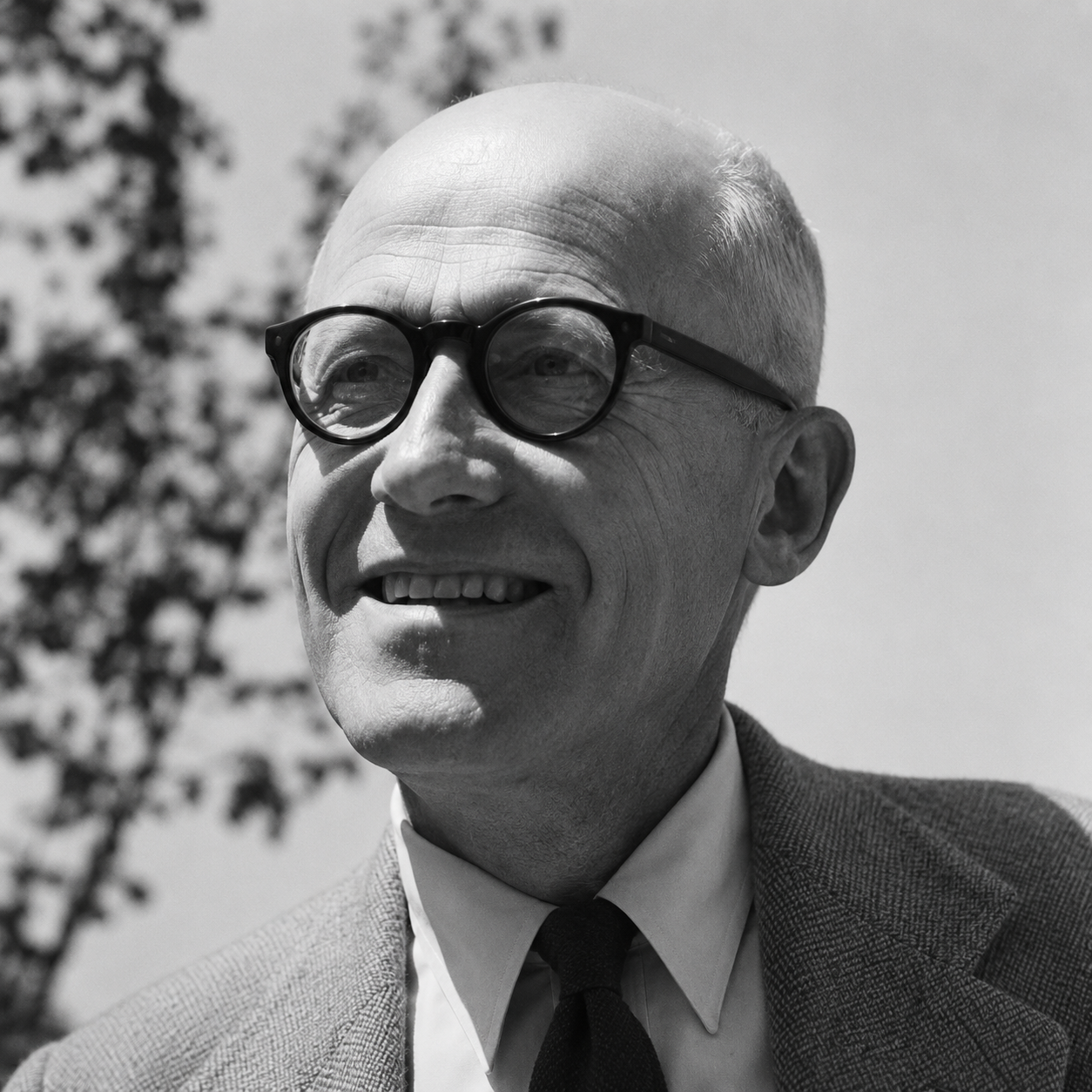
While Le Corbusier provided the overall vision, Pierre Jeanneret played a crucial role in bringing that vision to life. Pierre Jeanneret was Le Corbusier’s cousin, collaborator, and trusted architectural partner.
Unlike Le Corbusier, who frequently traveled internationally, Pierre Jeanneret spent years living in Chandigarh and supervising the city’s development. He worked closely with local architects, engineers, and government officials to ensure that the original plans were successfully implemented.
Many experts consider Pierre Jeanneret the architect who truly connected the city’s design with its day-to-day execution. His commitment to Chandigarh helped transform architectural drawings into a functioning urban reality.
The Partnership That Shaped Chandigarh
The collaboration between Pierre Jeanneret and Le Corbusier was one of the most successful architectural partnerships in modern history. Together, they combined visionary planning with practical implementation.
Le Corbusier focused on the city’s master plan, road hierarchy, civic institutions, and overall urban philosophy. Pierre Jeanneret concentrated on designing public buildings, educational institutions, housing projects, and furniture that suited local conditions.
This balanced approach allowed Chandigarh to maintain both architectural excellence and practical functionality. Their partnership ensured that every element of the city contributed to a cohesive urban identity.
Iconic Buildings Designed by Pierre Jeanneret and Le Corbusier
Several landmark structures in Chandigarh reflect the combined efforts of these two architectural pioneers.
Capitol Complex
The Capitol Complex remains one of the most significant achievements associated with Le Corbusier. The Secretariat, High Court, Legislative Assembly, Open Hand Monument, and surrounding structures represent the ideals of modernist architecture and are now recognized as a UNESCO World Heritage Site.
Panjab University
Pierre Jeanneret played a major role in designing various buildings within Panjab University. His work emphasized simplicity, functionality, and adaptation to Chandigarh’s climate.
Government Housing Projects
Pierre Jeanneret contributed extensively to residential architecture in Chandigarh. He designed housing for government officials, creating practical living spaces that aligned with the city’s broader planning principles.
Public Institutions
Many schools, museums, and civic buildings across Chandigarh showcase Pierre Jeanneret’s influence. His designs balanced modern aesthetics with local needs, helping create a city that was both beautiful and livable.
The Legacy of Chandigarh Furniture
One of Pierre Jeanneret’s most enduring contributions is the furniture designed for Chandigarh’s public buildings. Chairs, desks, benches, and cabinets created during the city’s development have gained international recognition.
The famous Pierre Jeanneret chairs are now highly sought after by collectors, museums, and design enthusiasts worldwide. These furniture pieces reflect the same principles that guided Chandigarh’s architecture—simplicity, functionality, and elegance.
Today, original Chandigarh furniture is displayed in prestigious galleries and auction houses across the globe.
Pierre Jeanneret’s Lasting Connection with Chandigarh
Unlike many architects who complete projects and move on, Pierre Jeanneret developed a deep connection with Chandigarh. He lived and worked in the city for nearly fifteen years and became closely involved with its development.
His former residence in Sector 5 has been converted into the Pierre Jeanneret Museum, where visitors can learn about his life, work, and contributions to Chandigarh’s architectural heritage.
The museum serves as a reminder of the dedication and vision that helped shape one of India’s most remarkable cities.
Why Their Work Still Matters Today
The ideas introduced by Pierre Jeanneret and Le Corbusier remain highly relevant in modern urban planning. Their emphasis on organized growth, green spaces, pedestrian-friendly design, and efficient infrastructure continues to inspire cities worldwide.
As urban centers face challenges related to congestion, sustainability, and population growth, Chandigarh demonstrates how thoughtful planning can create a balanced and functional environment.
Architects, students, and researchers regularly visit Chandigarh to study the city’s design and understand the principles that made it successful.
Conclusion
The story of Chandigarh cannot be told without recognizing the extraordinary contributions of Pierre Jeanneret and Le Corbusier. While Le Corbusier provided the visionary blueprint for the city, Pierre Jeanneret ensured that this vision became a reality through years of dedicated work and innovation.
Together, they created more than a city—they created a living masterpiece of modern architecture and urban planning. Their legacy continues to define Chandigarh’s identity and inspire future generations around the world.
For anyone interested in architecture, design, or urban development, exploring the work of Pierre Jeanneret and Le Corbusier offers a fascinating journey into the minds of two of the twentieth century’s greatest visionaries.