
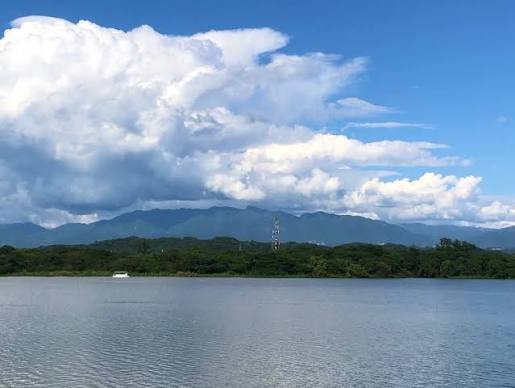
History and Creation of Sukhna Lake: The Story Behind Chandigarh’s Most Iconic Landmark
Sukhna Lake is much more than a scenic tourist attraction—it is the heart of Chandigarh and one of the city’s greatest planning achievements. The history of Sukhna Lake reflects the vision of architects, engineers, and planners who believed that a modern city should exist in harmony with nature. Nestled against the picturesque Shivalik Hills, this man-made lake has become a symbol of Chandigarh’s identity, attracting millions of visitors every year.
From its creation in 1958 to its transformation into a National Wetland, the history of Sukhna Lake is filled with remarkable engineering, thoughtful urban planning, environmental conservation, and cultural significance. Whether you’re a traveler, architecture enthusiast, or history lover, understanding its origins makes every visit even more meaningful.
The Vision Behind Sukhna Lake
After India’s independence, Chandigarh was planned as the new capital of Punjab following Partition. Swiss-French architect Le Corbusier envisioned a city where architecture, open spaces, and nature would coexist seamlessly.
While preparing Chandigarh’s master plan, Le Corbusier recognized the importance of creating a large water body that would not only enhance the city’s beauty but also provide residents with a peaceful recreational space. Working alongside Chief Engineer L. Verma (P. L. Varma), he proposed constructing a lake by damming the seasonal Sukhna Choe, a stream flowing from the Shivalik Hills. This visionary idea became the foundation of the history of Sukhna Lake.
How Sukhna Lake Was Created
History of Sukhna Lake
The history of Sukhna Lake officially began in 1958, when the Sukhna Choe was dammed to create a 3-square-kilometre rain-fed reservoir at the foothills of the Himalayas.
Unlike natural lakes, Sukhna Lake was carefully engineered to collect rainwater from the surrounding Shivalik catchment. Its location was strategically selected to provide spectacular reflections of the hills while serving as an important environmental asset for the newly planned city.
Le Corbusier insisted that the lake should remain a peaceful retreat. To preserve its serenity, he introduced two important principles:
- No motorboats would be allowed on the lake.
- Vehicular traffic would be prohibited on the dam promenade.
These decisions continue to define the tranquil atmosphere that visitors enjoy today.
Why Sukhna Lake Was Important for Chandigarh
From the beginning, Sukhna Lake was designed to be much more than a recreational destination.
It was intended to:
- Balance Chandigarh’s urban landscape
- Offer panoramic views of the Shivalik Hills
- Improve the city’s microclimate
- Provide public recreational space
- Support biodiversity
- Enhance the aesthetic appeal of the city
Le Corbusier famously wanted the lake to be “large enough to recreate the spectacle of the mountains and the sky reflected in the water,” making it an integral part of Chandigarh’s urban design.
Early Challenges: The Problem of Siltation
Although beautifully designed, the lake soon faced one of its biggest challenges—siltation.
Heavy monsoon runoff from the fragile Shivalik Hills carried large amounts of soil into the reservoir, gradually reducing its water-holding capacity.
By the late twentieth century, nearly two-thirds of the lake’s original storage capacity had been affected by sediment accumulation, prompting authorities to implement major conservation measures.
Conservation Efforts
To preserve the lake, the Chandigarh Administration launched extensive environmental programs.
These included:
- Large-scale afforestation in the catchment area
- Construction of check dams
- Soil conservation projects
- Diversion of the Sukhna Choe in 1974
- Vegetative barriers to reduce erosion
Thousands of hectares around the lake were planted with trees, significantly reducing soil erosion and improving ecological health. These conservation efforts eventually led to the creation of the Sukhna Wildlife Sanctuary, which now protects the lake’s catchment ecosystem.
Sukhna Wildlife Sanctuary
One of the most significant developments in the history of Sukhna Lake was the establishment of the Sukhna Wildlife Sanctuary.
Spread across approximately 2,600 hectares, the sanctuary protects the lake’s catchment area while providing habitat for:
- Leopards
- Sambar deer
- Barking deer
- Wild boars
- Pangolins
- Hundreds of bird species
This ecological buffer has played a vital role in preserving both the lake and the surrounding forests.
A Paradise for Birds
Today, Sukhna Lake is recognized as one of North India’s important urban bird habitats.
Every winter, migratory birds arrive from Central Asia and Siberia, including:
- Siberian ducks
- Storks
- Cranes
- Geese
- Various waterfowl
Because of its ecological importance, the Government of India has declared Sukhna Lake a National Wetland, reinforcing its role in biodiversity conservation.
Cultural Importance
Over the decades, Sukhna Lake has become the city’s social and cultural heart.
Visitors enjoy:
- Boating
- Walking on the promenade
- Cycling
- Rowing competitions
- Sunrise photography
- Evening leisure walks
The lake also hosts seasonal festivals and recreational events, making it one of Chandigarh’s most vibrant public spaces. Pierre Jeanneret’s ashes were immersed in the lake in 1970, reflecting its deep emotional significance in the city’s history.
Modern-Day Conservation
Even today, preserving the lake remains a priority.
Authorities continue to address challenges such as:
- Silt accumulation
- Water conservation
- Catchment protection
- Wetland restoration
- Biodiversity management
Recent management plans focus on sustainable desilting, scientific monitoring, and long-term ecological restoration to ensure that future generations can continue enjoying this iconic landmark.
Best Time to Visit
The ideal months to visit Sukhna Lake are:
October to March
During winter visitors can enjoy:
- Pleasant weather
- Beautiful sunrise views
- Migratory birds
- Boating
- Walking along the promenade
- Clear views of the Shivalik Hills
Early mornings are especially popular among photographers, joggers, and birdwatchers.
Interesting Facts About Sukhna Lake
- Built in 1958 by damming the Sukhna Choe.
- Designed by Le Corbusier and Chief Engineer L. Verma.
- Covers approximately 3 square kilometres.
- Declared a National Wetland.
- Motorboats are prohibited to preserve tranquility.
- The promenade remains one of Chandigarh’s most iconic public spaces.
- The lake supports rowing, boating, birdwatching, and nature walks.
Why Sukhna Lake Remains Chandigarh’s Pride
The history of Sukhna Lake is ultimately the story of Chandigarh itself—a city built on thoughtful planning, environmental stewardship, and architectural excellence. More than six decades after its creation, the lake continues to symbolize harmony between urban development and nature.
Whether you’re admiring the sunrise over the Shivalik Hills, watching migratory birds glide across the water, or simply enjoying a peaceful evening stroll, you’re experiencing one of India’s finest examples of visionary city planning.
Conclusion
The history of Sukhna Lake showcases how innovative planning can create an enduring urban landmark. From its creation in 1958 by Le Corbusier and L. Verma to its evolution into a National Wetland surrounded by protected forests, the lake has become the soul of Chandigarh.
Today, it remains a destination where history, architecture, ecology, and recreation come together, offering visitors an unforgettable glimpse into the city’s remarkable legacy.
Read more blogs on – https://topchandigarh.com/