

Vaishno Devi Height From Sea Level
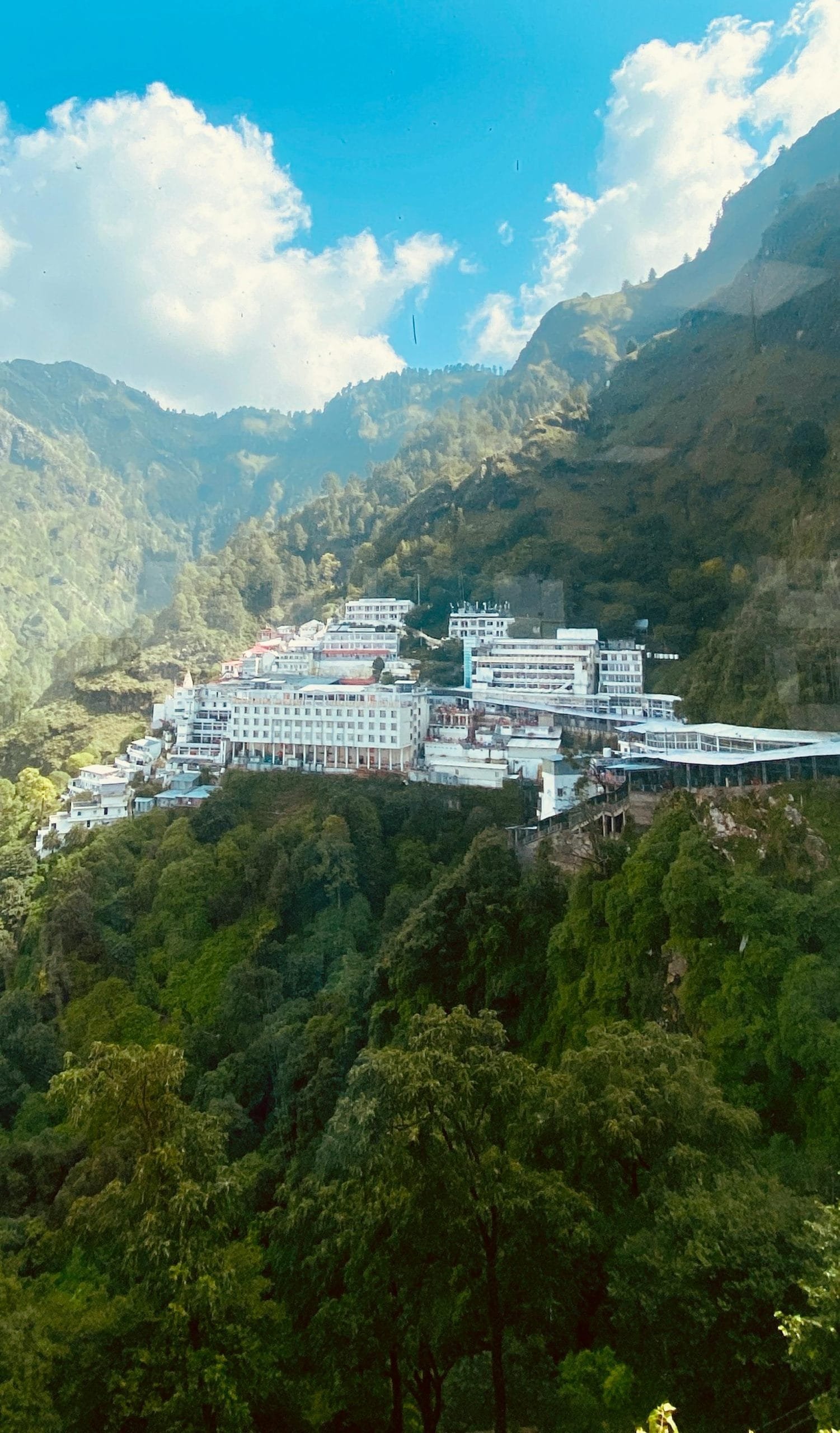
Vaishno Devi Height From Sea Level – Vaishno Devi is one of the holiest pilgrimage destinations in India, attracting millions of devotees every year. Located in the Trikuta Hills of the Shivalik Range, the sacred cave shrine of Mata Vaishno Devi is known not only for its divine presence but also for its breathtaking mountain landscapes and spiritual trekking experience.
One of the most frequently asked questions is:
What is Vaishno Devi Height from sea level?
The Vaishno Devi Bhawan is situated at a remarkable elevation of 5,200 feet (1,584 metres) above sea level. The Helipad at Sanjichhat sits even higher at around 6,300 feet (1,920 metres). Because of this considerable height, visitors experience cooler temperatures, refreshing mountain air, and beautiful valley views throughout their journey.
Understanding the altitude helps pilgrims prepare better for the trek, weather changes, and travel planning. Below is an in-depth guide covering everything you need to know about Vaishno Devi’s height, climate impact, trekking details, and visitor tips.
Vaishno Devi Height From Sea Level – Quick Info Table
Here is a simple table that explains the altitude and related details clearly:
| Parameter | Details |
|---|---|
| Vaishno Devi Height From Sea Level | 5,200 ft (1,584 m) |
| Sanjichhat Helipad Height | 6,300 ft (1,920 m) |
| Location | Trikuta Hills, Katra, Jammu & Kashmir |
| Trek Starting Point (Katra) | 2,800 ft (850 m) |
| Total Trek Distance | 12 km one way |
| Best Time to Visit | March–June & September–November |
| Temperature Range | Summer: 15°C–30°C |
| Popular Routes | Traditional Route, New Tarakote Route, Helicopter Route |
| Nearby Attractions | Bhairon Temple, Ardhkuwari, Katra Market |
How Vaishno Devi Altitude Influences the Climate
The height of Vaishno Devi significantly affects its weather patterns. Because it lies at over 5,000 feet, temperatures are much cooler compared to the Katra base.
1. Pleasant Summers
During March to June, the climate remains comfortable with temperatures between 15°C to 30°C, making it perfect for trekking.
2. Cold Winters
Between December and February, temperatures may drop to 0°C or below, and light snowfall can occur at higher points like Bhawan and Bhairon Temple.
3. Monsoon Humidity
From July to August, the region gets moderate rainfall, making some parts of the trek slippery. Trekking is still possible, but extra care is required.
Understanding the Trek Elevation: Katra to Vaishno Devi
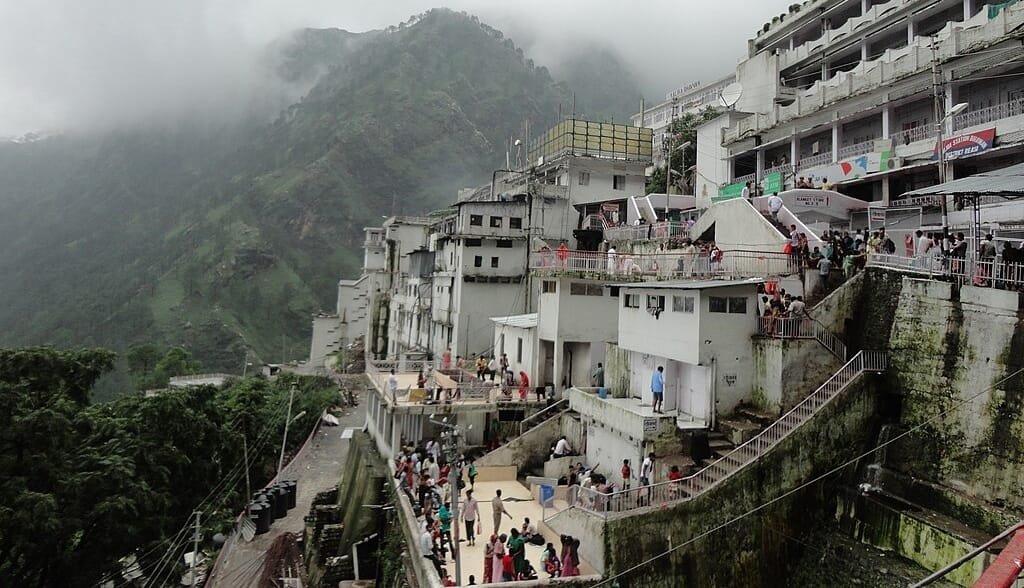
The journey to Vaishno Devi starts from Katra, which is at a height of 2,800 feet (850 metres). The trek involves gradual elevation gain, offering a balanced mix of steep slopes, flat paths, and scenic viewpoints.
● Katra to Banganga (2 km)
A gentle climb with shops, tea stalls, and resting points.
● Banganga to Charan Paduka (1.5 km)
The altitude gradually increases, offering views of mountains and pilgrims walking in groups.
● Charan Paduka to Ardhkuwari (3 km)
Moderate incline with cool breezes due to higher elevation.
● Ardhkuwari to Sanjichhat (3.5 km)
This is the steepest section, as travelers approach Sanjichhat, the highest point before the Bhawan.
● Sanjichhat to Bhawan (2 km)
A downhill walk toward the sacred shrine at 5,200 feet.
The changing altitude throughout the trek makes the experience spiritually uplifting and physically refreshing.
Vaishno Devi Elevation Benefits for Travelers
The unique altitude of Vaishno Devi enhances the pilgrimage experience in several ways:
1. Clean, Crisp Mountain Air
The higher you climb, the fresher the atmosphere becomes—ideal for nature lovers.
2. Stunning Valley Views
The Trikuta Hills provide mesmerizing scenery, especially during sunrise and sunset.
3. Calmer & Less Crowded Routes at Higher Points
As elevation increases, the paths become quieter, creating a peaceful environment perfect for meditation and devotion.
Effects of High Altitude on Visitors
Although Vaishno Devi is not at a dangerously high elevation, some people might experience mild discomfort:
-
Fatigue
-
Shortness of breath
-
Increased tiredness during the climb
These are normal reactions when trekking uphill. Staying hydrated, taking breaks, and wearing comfortable footwear can make the journey easier.
Transport & Accessibility at Different Elevation Levels
Due to its height, multiple travel options are available to suit different types of pilgrims:
✔ Helicopter Service (Katra to Sanjichhat)
The quickest option, covering major elevation gain instantly.
✔ Battery Cars (Ardhkuwari to Bhawan)
Ideal for elderly or medically sensitive visitors.
✔ Horses & Palki Services
Helpful for those unable to walk long distances.
✔ Tarakote Route
A newer, smoother, and wider path recommended for families and first-time visitors.
Best Time to Visit Vaishno Devi
Because of its altitude, the comfort level varies throughout the year:
March to June
Perfect weather and scenic beauty.
September to November
A pleasant season with moderate crowds.
December to February
Beautiful but cold—carry warm clothing.
July to August
Monsoons make trekking slower; caution is needed.
Tips for Visiting Vaishno Devi at High Altitude
-
Wear lightweight trekking shoes
-
Keep water and ORS packets handy
-
Take regular breaks, especially near steep sections
-
Avoid heavy luggage
-
Carry warm clothes during winter months
-
Book helicopter tickets in advance if needed
-
Walk slowly to avoid altitude-related discomfort
If you enjoy reading about famous destinations, heights, travel routes, and nearby attractions, TopChandigarh.com is a helpful blog offering detailed travel insights. The platform covers tourist spots, hill stations, temples, natural attractions, and elevation-related guides that help travelers plan their journeys better. Whether you want to know the height of Vaishno Devi, discover places near Chandigarh, or explore weekend getaways, TopChandigarh.com provides reliable and easy-to-understand information for every traveler.