

Bangalore Height From Sea Level
Bangalore Height From Sea Level – Bangalore, officially known as Bengaluru, is India’s Silicon Valley and one of the most unique metropolitan cities because of its moderate climate and elevated location. Unlike other major Indian cities that sit close to sea level, Bangalore is situated on the Deccan Plateau, giving it a cooler environment and distinct weather patterns throughout the year. This is one of the reasons why Bangalore is known as the “City of Lakes and Gardens.”
This guide covers 5 key facts about Bangalore height from sea level, how its altitude influences temperature, rainfall, lifestyle, and air quality, along with additional travel and climate insights.
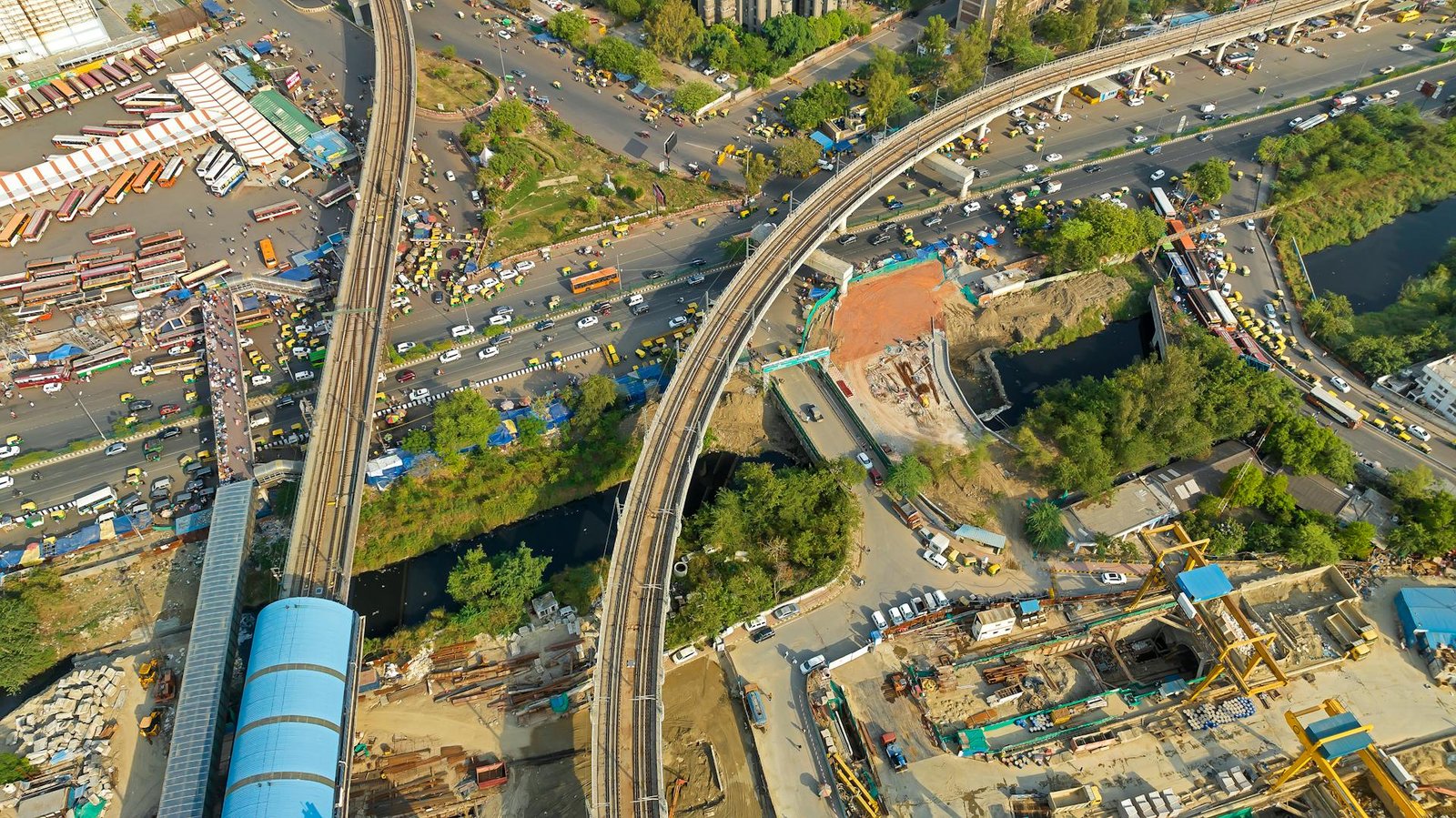
5 Key Facts About Bangalore’s Height From Sea Level
1. Bangalore Sits at 920 Meters, One of India’s Highest Major Cities
The average height of Bangalore from sea level is 920 meters (3,018 feet). This elevation plays a major role in shaping the city’s mild weather and relatively low humidity compared to coastal cities such as Chennai or Mumbai. Bangalore is one of the highest elevated major cities in India, which makes it pleasant year-round.
| Parameter | Details |
|---|---|
| Bangalore Height from Sea Level | 920 meters (3,018 feet) |
| Elevation Range (Across City) | 830 – 960 meters |
| Highest Point | Doddabettahalli – 962 meters |
| Region | Deccan Plateau |
| State | Karnataka |
| Average Summer Temperature | 20°C – 34°C |
| Average Winter Temperature | 15°C – 28°C |
| Rainfall Pattern | June–October (Monsoon) |
| Climate Type | Tropical Savanna, mild due to altitude |
2. Its Elevation Shapes Pleasant, Stable Weather Year-Round
Because Bangalore sits at a high elevation of 920 meters, it enjoys one of the most comfortable climates among all major Indian metropolitan cities:
- Pleasant Summers: The altitude keeps summer temperatures controlled — even during hot months like May, it rarely crosses 34°C.
- Cool and Comfortable Winters: Minimum temperatures drop to around 15°C, creating a refreshing environment.
- Monsoon Influence: The elevated terrain attracts good rainfall between June and October, and the temperature rarely becomes unbearably humid.
- Cleaner Air: While Bangalore does face pollution issues, its altitude helps the air circulate better, offering relatively clearer skies compared to lower-altitude cities.
3. It Has Shaped Bangalore’s Identity, From “Silicon Valley” to “City of Gardens”
Bangalore’s altitude is a contributing factor to many aspects of the city’s identity. Its moderate climate is a key attraction for working professionals, students, NRIs, and travelers, and that comfortable weather helped the IT industry flourish, earning Bangalore the title “Silicon Valley of India.” Being elevated and part of the Deccan Plateau, the city is also home to large gardens, lakes, tree-lined streets, and biodiversity-rich areas — supporting a lifestyle built around cycling, jogging, weekend trekking, and outdoor dining, all made possible largely by its elevation-based temperature control.
4. It Sits Far Higher Than Most Other Major Indian Cities
| City | Height From Sea Level |
|---|---|
| Bangalore | 920 m |
| Mumbai | 14 m |
| Chennai | 6 m |
| Hyderabad | 542 m |
| Pune | 560 m |
| Delhi | 216 m |
| Kolkata | 9 m |
This comparison highlights how significantly higher Bangalore sits compared to other metros. Elevation also varies within the city itself — Doddabettahalli (around 962 m) is the highest point, while areas like Jalahalli, Vidyaranyapura, JP Nagar, and Bannerghatta Road stay noticeably cooler thanks to elevation and greenery.
5. It Enhances Travel, Outdoor Activities, and Tourism
If you’re planning a trip to Bangalore, altitude plays a role in your overall experience — carry light clothing in summer and a light jacket for winter evenings, and an umbrella during monsoon since altitude influences rainfall patterns. The elevated terrain encourages cycling trails and trekking spots around Nandi Hills, Savandurga, and Skandagiri. Several sightseeing spots benefit particularly from the elevated terrain and mild climate, including Nandi Hills (1,478 m, a perfect sunrise point), Savandurga Hill, Lalbagh Botanical Garden, Cubbon Park, Bannerghatta National Park, and Turahalli Forest.
Frequently Asked Questions
What is Bangalore’s height from sea level?
Bangalore’s average height from sea level is 920 meters (3,018 feet), with elevation across the city ranging from about 830 to 960 meters.
What is the highest point in Bangalore?
Doddabettahalli is the highest point in Bangalore, at approximately 962 meters above sea level.
How does Bangalore’s elevation compare to other Indian cities?
At 920 meters, Bangalore sits far higher than cities like Mumbai (14 m), Chennai (6 m), Delhi (216 m), and even Hyderabad (542 m) and Pune (560 m).
Conclusion
The height of Bangalore from sea level (920 meters) is one of the primary reasons why the city enjoys cooler weather, flourishing greenery, and a high quality of life. Its elevated position gives it a unique climate not found in most major Indian cities. Understanding Bangalore’s elevation helps residents, travelers, and newcomers appreciate how altitude shapes the city’s environment and lifestyle.
If you love exploring travel destinations, city guides, and hidden gems near North India, topchandigarh.com is a helpful platform to follow.