
11 Hidden Facts About the Capitol Complex You Probably Didn’t Know
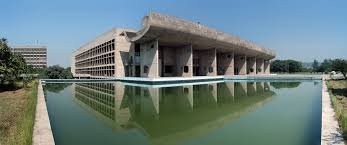
The Capitol Complex is one of the most iconic landmarks in India and a defining symbol of Chandigarh’s architectural heritage. Designed by the legendary architect Le Corbusier, this monumental civic center attracts visitors, historians, architects, and urban planners from around the world. While many people know about its UNESCO World Heritage status and striking modernist architecture, there are several lesser-known stories behind this remarkable site.
The capital complex of chandigarh is far more than a collection of government buildings. It represents a bold vision for a newly independent India and continues to inspire generations of designers and planners. Let’s uncover some fascinating hidden facts about the capital complex in chandigarh that make it one of the world’s most significant architectural achievements.
1. It Was Designed as the “Head” of Chandigarh
Le Corbusier imagined Chandigarh as a living human body. In his master plan, the capital complex of chandigarh represented the “head” of the city, symbolizing governance, intellect, and decision-making.
Other parts of the city were assigned different functions, including the heart, lungs, and circulatory system. This symbolic planning approach was revolutionary and remains one of the most fascinating aspects of Chandigarh’s design.
2. The Original Vision Was Even Bigger
Many visitors are unaware that the capital complex in chandigarh was originally planned to include additional structures and monuments beyond those that exist today.
Although some elements remained unbuilt due to financial and administrative constraints, the completed complex still reflects much of Le Corbusier’s original vision for a monumental civic center.
3. The Open Hand Is More Than a Monument
The Open Hand Monument is often photographed, but few people understand its deeper meaning. Le Corbusier considered it the most important symbol within the capital complex of chandigarh.
The monument represents the philosophy of “open to give, open to receive,” emphasizing peace, exchange of ideas, and human cooperation. It continues to serve as the official symbol of Chandigarh.
4. The Buildings Were Designed for Climate Adaptation
Long before sustainable architecture became a global trend, the capital complex in chandigarh incorporated climate-responsive design features.
Deep overhangs, brise-soleil (sun breakers), shaded façades, and natural ventilation systems were integrated into the buildings to reduce heat gain and improve comfort in Chandigarh’s climate.
These innovations demonstrate how advanced the complex was for its time.
5. The Tower of Shadows Has No Glass
One of the most intriguing structures within the capital complex of chandigarh is the Tower of Shadows.
The tower was designed to demonstrate how architectural elements alone could control sunlight without relying on glass or mechanical systems. It serves as a practical experiment showcasing Le Corbusier’s understanding of solar geometry and climate-responsive architecture.
6. The Complex Was Built Using Exposed Concrete
The bold appearance of the capital complex in chandigarh comes largely from its extensive use of exposed concrete.
At the time, this material was considered innovative and represented modernity. Today, the raw concrete aesthetic is recognized as one of the defining characteristics of modernist architecture and continues to influence architects worldwide.
7. UNESCO Recognition Came Decades Later
Although the capital complex of chandigarh was completed in the mid-twentieth century, international recognition arrived much later.
In 2016, the site became part of UNESCO’s World Heritage List under “The Architectural Work of Le Corbusier, an Outstanding Contribution to the Modern Movement.” This recognition confirmed its importance on a global scale.
8. The Geometric Hill Has Symbolic Meaning
Many visitors overlook Geometric Hill while touring the capital complex in chandigarh.
Rather than being a simple landscape feature, it was designed as a symbolic element that complements the surrounding monuments and buildings. It reflects Le Corbusier’s fascination with geometry, proportion, and spatial relationships.
Together with the Open Hand Monument and Tower of Shadows, it contributes to the philosophical narrative of the complex.
9. The High Court Was the First Building Completed
The Punjab and Haryana High Court was among the earliest major structures completed within the capital complex of chandigarh.
Its colorful façade, monumental roof design, and impressive scale immediately established the visual identity of the complex. Even today, it remains one of Chandigarh’s most recognizable landmarks.
10. It Continues to Influence Urban Planning Worldwide
The capital complex in chandigarh is not merely a historical site; it remains an active source of inspiration for architects and urban planners.
Universities, planning institutions, and design professionals regularly study the complex to understand how architecture can symbolize democratic values while serving practical functions.
Its influence can be seen in civic and governmental projects around the world.
11. It Is More Than a Tourist Attraction
For many visitors, the capital complex of chandigarh is a sightseeing destination. However, for architects and historians, it is a living lesson in urban planning, symbolism, and modern architecture.
The complex continues to function as an important administrative center while simultaneously serving as a cultural and educational landmark. This rare combination makes it one of the most unique heritage sites in India.
Why the Capitol Complex Remains Relevant Today
The enduring significance of the capital complex in chandigarh lies in its ability to combine functionality with symbolism. Every building, monument, and open space was carefully planned to contribute to a larger vision of governance, civic identity, and modern progress.
As cities around the world grapple with challenges related to sustainability, growth, and urban design, the lessons embedded within Chandigarh’s Capitol Complex remain remarkably relevant.
Conclusion
The capital complex of chandigarh is far more than a UNESCO World Heritage Site. It is a masterpiece of modern architecture filled with symbolism, innovation, and visionary planning. From climate-responsive buildings and experimental structures to hidden design philosophies and historical significance, the capital complex in chandigarh offers countless stories waiting to be discovered.
Whether you are a traveler, architecture enthusiast, student, or history lover, exploring these hidden facts reveals why this landmark continues to be celebrated as one of the greatest achievements in modern urban design.
read more on – https://topchandigarh.com/
Comments are closed.