
Chandigarh’s Influence on Urban Planning: A Blueprint for Modern Indian Cities
Chandigarh’s Influence on Urban Planning
Few cities in India have had as much influence on urban planning as Chandigarh. Designed in the 1950s by the renowned architect Le Corbusier and his team, Chandigarh was envisioned as a symbol of a modern, independent nation. More than seventy years later, its planning principles continue to inspire architects, city planners, and governments across India and beyond.
From its sector-based layout and organized transportation network to its balanced approach toward residential, commercial, and industrial development, Chandigarh remains a benchmark for urban design. Many contemporary city development projects, including new chandigarh punjab, have adopted planning concepts that originated in Chandigarh’s master plan.
The Birth of a Planned City
After the partition of India in 1947, Punjab lost its historic capital, Lahore, to Pakistan. This created the need for a new administrative center. Rather than expanding an existing city, the government decided to build an entirely new one from scratch.
Le Corbusier and his team designed Chandigarh using modern planning principles that focused on functionality, sustainability, and quality of life. The city was divided into self-sufficient sectors connected through an efficient road hierarchy, creating a model that would later influence urban development projects throughout India.
Today, Chandigarh is recognized not only as a successful city but also as a living laboratory of urban planning.
Sector-Based Planning: A Revolutionary Idea
One of Chandigarh’s greatest contributions to urban planning is its sector system. Each sector was designed to function as an independent neighborhood with schools, markets, healthcare facilities, parks, and community spaces.
This approach reduced dependence on long-distance travel and improved accessibility for residents. The sector model has influenced numerous planned developments across India, including new chandigarh punjab, which continues to incorporate organized residential and commercial sectors inspired by the original city.
Urban planners often study Chandigarh’s sector system because it successfully balances density, accessibility, and community living.
The Influence on New Chandigarh Punjab
Among the clearest examples of Chandigarh’s planning legacy is new chandigarh punjab. Developed as an extension of the region’s urban growth, this modern township has embraced many of the same principles that made Chandigarh successful.
The planning of new chandigarh punjab includes organized road networks, designated residential zones, green corridors, institutional areas, and carefully managed infrastructure. These features reflect lessons learned from Chandigarh’s original master plan.
As population growth places increasing pressure on existing urban centers, new chandigarh punjab demonstrates how modern developments can adapt Chandigarh’s planning philosophy to contemporary needs while preserving efficiency and sustainability.
Road Hierarchy and Traffic Management
Another major contribution of Chandigarh to urban planning is its innovative transportation system. The city’s famous V-road hierarchy separates different types of traffic according to function and volume.
This structured road network minimizes congestion, improves safety, and supports smooth movement throughout the city. Many urban planning projects have adopted similar transportation frameworks to improve traffic management.
The influence of Chandigarh’s road design can be seen in several planned townships and smart city initiatives across India, where traffic flow is considered an integral part of urban development rather than an afterthought.
Green Spaces as Essential Infrastructure
Long before sustainability became a global priority, Chandigarh incorporated green spaces into its urban framework. Parks, green belts, tree-lined roads, and recreational areas were treated as essential components of the city rather than optional additions.
This philosophy continues to shape modern urban planning projects. Developments such as new chandigarh punjab emphasize environmental sustainability through landscaped public spaces, ecological zones, and green corridors.
The success of Chandigarh demonstrates that urban growth and environmental preservation can coexist when cities are designed thoughtfully.
The Importance of Chandigarh Industrial Area
Economic sustainability was another key consideration in Chandigarh’s planning. The chandigarh industrial area was strategically located to support economic activity while minimizing disruption to residential neighborhoods.
By separating industrial operations from housing sectors, planners ensured that economic development could occur without compromising quality of life. This approach became a model for industrial zoning across India.
Today, the chandigarh industrial area continues to contribute to the region’s economy while illustrating how industrial infrastructure can be integrated into a planned urban environment. The planning principles behind the chandigarh industrial area have influenced industrial zones in numerous modern cities and townships.
Balancing Growth and Livability
One of the reasons Chandigarh continues to influence urban planning is its ability to balance development with livability. The city was designed to support administrative functions, economic activity, education, recreation, and residential life within a cohesive framework.
Both new chandigarh punjab and the expanding chandigarh industrial area reflect the importance of maintaining this balance. Successful urban planning requires more than constructing buildings and roads; it involves creating environments where people can live, work, and thrive comfortably.
Chandigarh’s planners understood this principle decades before it became a central topic in global urban design discussions.
Global Recognition and Continued Relevance
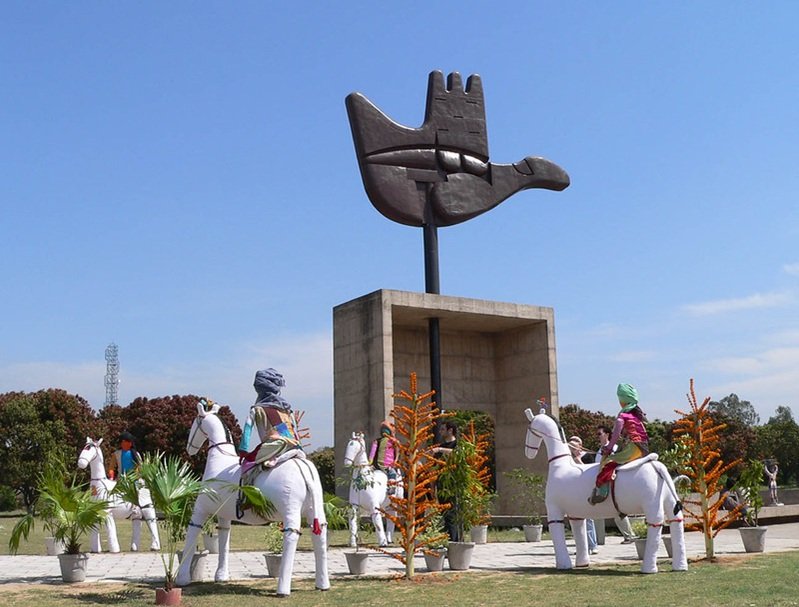
The international recognition of Chandigarh’s architectural and planning achievements has further strengthened its influence. The UNESCO World Heritage designation of the Capitol Complex highlighted the city’s significance as a landmark achievement in modern architecture.
Urban planners from around the world continue to visit Chandigarh to study its sector planning, transportation systems, public spaces, and governance structures. These lessons remain relevant as cities face challenges related to population growth, climate change, and infrastructure demands.
The planning principles that shaped Chandigarh continue to guide contemporary urban development projects both within India and internationally.
Conclusion
Chandigarh’s influence on urban planning extends far beyond its boundaries. Its innovative sector system, organized transportation network, environmental planning, and economic zoning have shaped the development of numerous cities and townships across the country.
Projects such as new chandigarh punjab demonstrate how the city’s planning philosophy continues to evolve and adapt to modern needs. Similarly, the success of the chandigarh industrial area highlights the importance of integrating economic development within a structured urban framework.
More than seventy years after its creation, Chandigarh remains a powerful example of how thoughtful planning can create sustainable, efficient, and livable cities. Its legacy continues to inspire the future of urban development in India and beyond.