
Bhimashankar Height From Sea Level – Altitude, Climate, Travel Guide & Things to Do
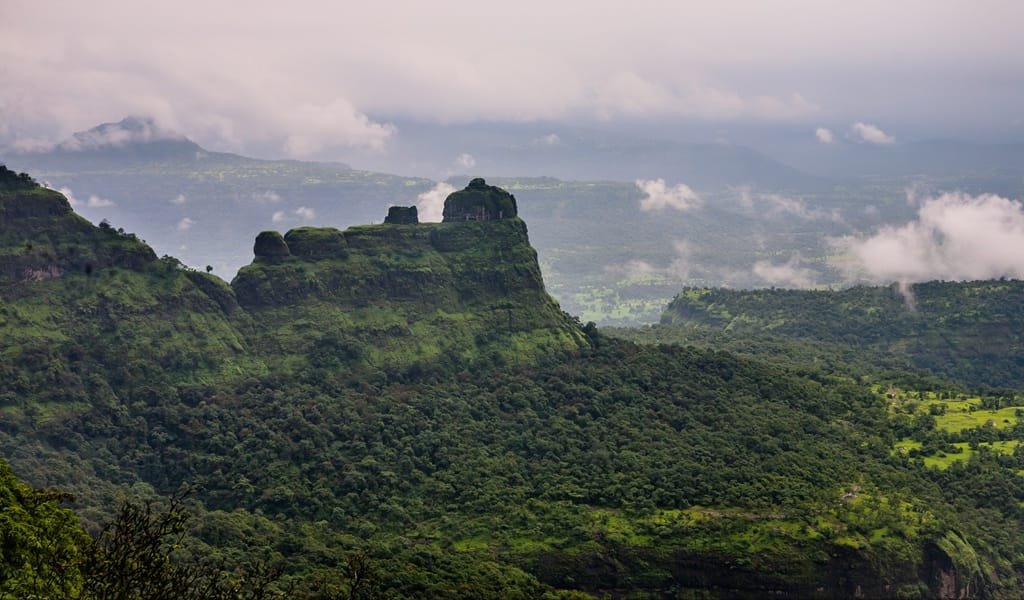
Bhimashankar Height From Sea Level – Bhimashankar is one of India’s most revered pilgrimage destinations and a popular hill retreat in the Western Ghats of Maharashtra. Famous for the sacred Bhimashankar Jyotirlinga Temple, one of the twelve Jyotirlingas dedicated to Lord Shiva, the region is equally admired for its lush forests, rich biodiversity, scenic trekking trails, and refreshing mountain climate.
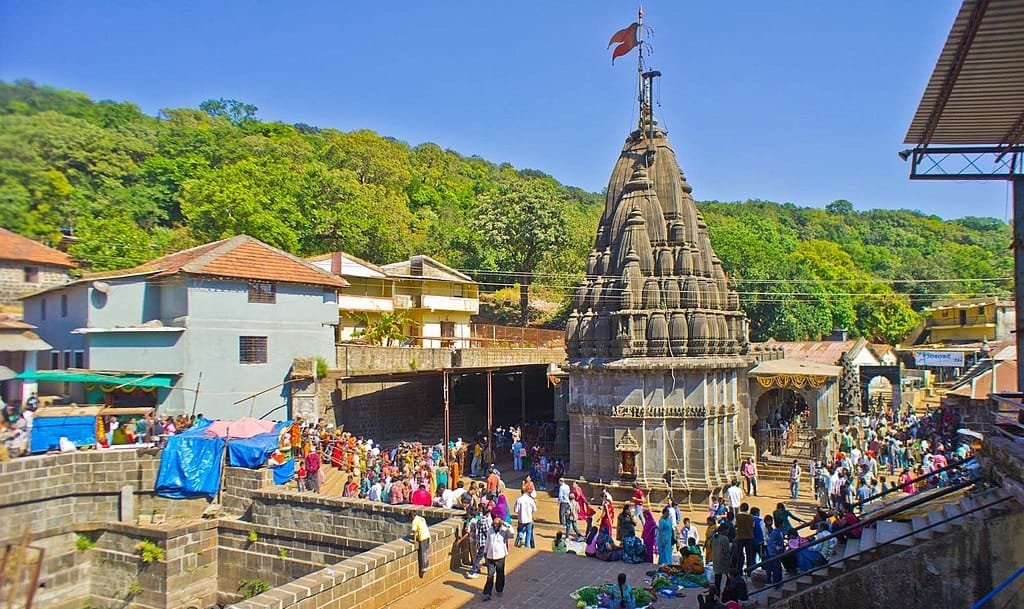
Many travelers search for the Bhimashankar height from sea level before planning their trip because the altitude influences the weather, trekking conditions, sightseeing experience, and overall comfort. Situated at an elevation of around 1,020 metres (3,350 feet), Bhimashankar enjoys a cool climate throughout the year, making it a preferred destination for pilgrims, trekkers, wildlife enthusiasts, and nature lovers.
In this guide, you’ll learn about the exact Bhimashankar altitude, climate, best time to visit, major attractions, accommodation options, how to reach the temple, and essential travel tips for a memorable journey.
Quick Facts About Bhimashankar
| Feature | Details |
|---|---|
| Height from Sea Level | Approximately 1,020 metres (3,350 feet) |
| State | Maharashtra |
| District | Pune |
| Mountain Range | Western Ghats (Sahyadri Hills) |
| Famous For | Bhimashankar Jyotirlinga, Wildlife Sanctuary & Trekking |
| Best Time to Visit | October to February |
| Nearest Airport | Pune International Airport |
Bhimashankar Height From Sea Level (Exact Elevation)
The height of Bhimashankar from sea level is approximately 1,020 metres (3,350 feet). Located in the Sahyadri range of the Western Ghats, this elevation gives Bhimashankar its pleasant weather, dense forests, and breathtaking mountain scenery throughout the year.
Compared with nearby cities such as Pune and Mumbai, Bhimashankar remains noticeably cooler due to its higher elevation. The moderate altitude also creates ideal conditions for evergreen forests, diverse wildlife, and scenic trekking routes.
How Does Bhimashankar’s Altitude Affect Visitors?
- Maintains cool and pleasant temperatures for most of the year.
- Receives heavy monsoon rainfall that keeps the forests lush and green.
- Provides excellent conditions for trekking, photography, and nature walks.
- Offers cleaner air and panoramic views of the surrounding Western Ghats.
- Altitude sickness is extremely rare because the elevation is only around 1,020 metres.
Whether you’re visiting for the sacred Jyotirlinga, exploring the wildlife sanctuary, or enjoying the natural beauty of the Sahyadri Hills, Bhimashankar’s elevation contributes significantly to its unique charm and pleasant environment.
Geographic Location and Importance of Altitude
Bhimashankar is located in the Pune district of Maharashtra, deep within the Western Ghats (Sahyadri Hills). The temple and surrounding forests lie inside the protected Bhimashankar Wildlife Sanctuary, which is home to numerous species of birds, reptiles, mammals, and the famous Indian Giant Squirrel (Shekru), the state animal of Maharashtra.
The altitude of around 1,020 metres above sea level plays a vital role in maintaining the region’s rich biodiversity. It supports dense evergreen forests, provides a cooler climate than the surrounding plains, feeds several natural water sources, and creates the ideal habitat for wildlife. The sacred Bhima River also originates near Bhimashankar, adding to the religious and ecological significance of this mountain destination.
Climate at Bhimashankar Based on Its Elevation
Situated at an elevation of approximately 1,020 metres (3,350 feet), Bhimashankar enjoys a cool and refreshing climate throughout the year. The region’s location in the Western Ghats, combined with its moderate altitude, keeps temperatures pleasant even during summer and supports dense forests, abundant wildlife, and seasonal waterfalls.
The climate varies across seasons, making Bhimashankar an attractive destination for pilgrims, trekkers, photographers, and nature lovers.
Summer (March to May)
- Temperature ranges between 15°C and 30°C.
- Mornings and evenings remain cool and comfortable.
- Ideal season for temple visits, sightseeing, and wildlife exploration.
- Less crowded than the peak winter pilgrimage season.
Monsoon (June to September)
- Receives heavy rainfall due to the Western Ghats monsoon.
- Dense forests become lush green with numerous seasonal waterfalls.
- Misty landscapes offer spectacular photography opportunities.
- Trekking routes become slippery, so visitors should exercise caution.
Winter (October to February)
- Temperature generally ranges from 5°C to 20°C.
- Cold nights and cool, pleasant days.
- The best season for Jyotirlinga darshan, trekking, and sightseeing.
- Clear skies provide beautiful panoramic views of the Sahyadri Hills.
Although winters can be chilly, snowfall does not occur in Bhimashankar due to its moderate elevation.
Best Time to Visit Bhimashankar
The Bhimashankar height from sea level ensures pleasant weather for most of the year. However, the ideal time to visit depends on your travel preferences.
For Pilgrimage and Sightseeing
- October to February is considered the best time for temple darshan, sightseeing, and outdoor activities because of the cool weather and clear skies.
For Nature Lovers and Photography
- July to September offers lush greenery, mist-covered hills, flowing waterfalls, and breathtaking scenery throughout the wildlife sanctuary.
For Budget-Friendly Travel
- March to May is suitable for visitors who prefer fewer crowds while still enjoying comfortable weather.
If you’re travelling during the monsoon, drive carefully as roads near Bhimashankar become narrow, slippery, and foggy due to continuous rainfall.
Why Bhimashankar’s Altitude Makes It Unique
The elevation of Bhimashankar is one of the biggest reasons behind its natural beauty and pleasant environment. Unlike the hot plains of Maharashtra, this hill destination remains cooler throughout the year and supports one of the richest ecosystems in the Western Ghats.
- Maintains a cool climate even during summer.
- Supports dense evergreen forests and rich biodiversity.
- Creates favourable conditions for trekking and nature trails.
- Provides scenic viewpoints overlooking the Sahyadri mountain range.
- Contributes to the origin of the sacred Bhima River.
The combination of spiritual significance, moderate altitude, and abundant natural beauty makes Bhimashankar one of Maharashtra’s most rewarding destinations for both pilgrims and adventure enthusiasts.
Top Places to Visit in Bhimashankar
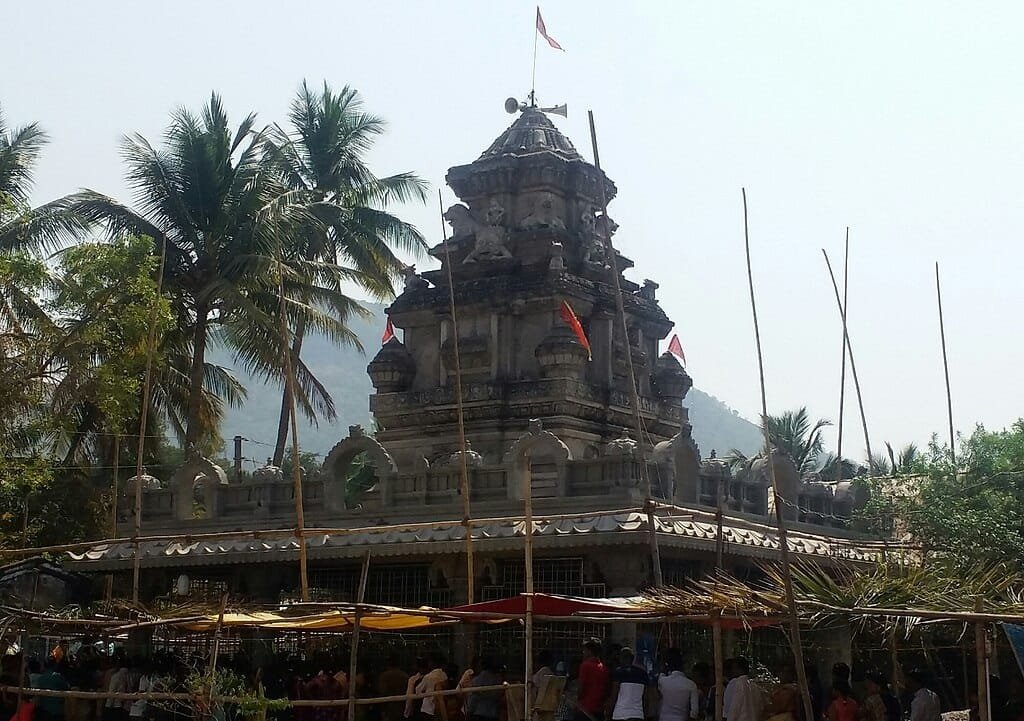
Besides knowing the Bhimashankar height from sea level, visitors should also explore the region’s famous religious sites, forests, viewpoints, and trekking trails. Here are some of the top attractions in Bhimashankar.
1. Bhimashankar Jyotirlinga Temple
The Bhimashankar Jyotirlinga Temple is the main attraction and one of the twelve sacred Jyotirlingas dedicated to Lord Shiva. Built in the traditional Nagara architectural style, the temple attracts thousands of devotees throughout the year, especially during Mahashivratri and the Shravan month.
2. Bhimashankar Wildlife Sanctuary
Spread across the Western Ghats, the Bhimashankar Wildlife Sanctuary is known for its rich biodiversity, evergreen forests, and wildlife. Visitors can spot the famous Indian Giant Squirrel (Shekru), along with numerous bird species, butterflies, reptiles, and medicinal plants.
3. Origin of the Bhima River
Near the temple lies the sacred origin of the Bhima River, which holds great religious significance. Pilgrims often visit this holy spot before or after offering prayers at the Jyotirlinga temple.
4. Hanuman Lake
Surrounded by lush greenery, Hanuman Lake offers a peaceful setting for nature lovers and photographers. It is an ideal place to relax and enjoy the tranquil environment of the Western Ghats.
5. Gupt Bhimashankar
Gupt Bhimashankar is a hidden sacred location associated with local legends and mythology. The scenic walking trail leading to this place makes it popular among both pilgrims and trekkers.
6. Trekking Routes
Adventure enthusiasts can explore famous trekking routes from Khandas, Ganesh Ghat, and Shidi Ghat. These trails offer breathtaking views of valleys, waterfalls, forests, and the surrounding Sahyadri Mountains.
Things to Do in Bhimashankar
Thanks to the moderate Bhimashankar altitude and beautiful natural surroundings, visitors can enjoy a wide variety of spiritual and outdoor activities.
- Seek blessings at the sacred Bhimashankar Jyotirlinga Temple.
- Explore the Bhimashankar Wildlife Sanctuary and observe native wildlife.
- Enjoy trekking through the scenic Sahyadri mountain trails.
- Capture beautiful photographs of forests, waterfalls, and mist-covered valleys.
- Go birdwatching and experience the rich biodiversity of the Western Ghats.
- Visit scenic viewpoints during sunrise and sunset.
- Experience the peaceful atmosphere of one of Maharashtra’s most sacred pilgrimage destinations.
While exploring the sanctuary or trekking routes, always stay on designated trails and follow local safety guidelines to help preserve the fragile ecosystem.
Accommodation Options in Bhimashankar
Although Bhimashankar is primarily a pilgrimage destination, visitors can find several comfortable accommodation options suitable for different budgets.
Popular Accommodation Choices
- Temple Trust guest houses near the shrine.
- Budget hotels and lodges around the temple area.
- MTDC (Maharashtra Tourism) accommodation.
- Homestays and eco-stays in nearby villages.
Best Areas to Stay
- Near Bhimashankar Temple for easy access to darshan.
- Close to trekking routes for adventure travellers.
- Eco-friendly accommodations near the wildlife sanctuary.
Accommodation fills quickly during weekends, Mahashivratri, Shravan, and winter holidays, so booking in advance is highly recommended.
How to Reach Bhimashankar
By Air
The nearest airport is Pune International Airport, located approximately 110 km from Bhimashankar. Taxis and buses are easily available from Pune.
By Train
The nearest railway stations are:
- Pune Junction
- Karjat Railway Station (preferred by many trekkers)
Local buses, taxis, and private vehicles connect these stations to Bhimashankar.
By Road
Bhimashankar is well connected by road from Pune, Mumbai, Nashik, and nearby towns. The drive through the Western Ghats is scenic, although roads become narrow and winding as you approach the temple, particularly during the monsoon season.
Is Bhimashankar Safe for Altitude Sickness?
At an elevation of approximately 1,020 metres (3,350 feet), Bhimashankar is not considered a high-altitude destination. The oxygen level remains normal, and most visitors can comfortably explore the temple, wildlife sanctuary, and nearby attractions without any acclimatization.
- Altitude sickness is extremely rare.
- Most travellers experience no breathing difficulties.
- The pleasant mountain climate makes sightseeing comfortable throughout the year.
- Elderly visitors should walk at a relaxed pace while climbing temple steps or trekking.
Visitors planning long treks should carry drinking water, wear comfortable footwear, and check the weather forecast, especially during the monsoon season.
Why Bhimashankar’s Height Makes It Special
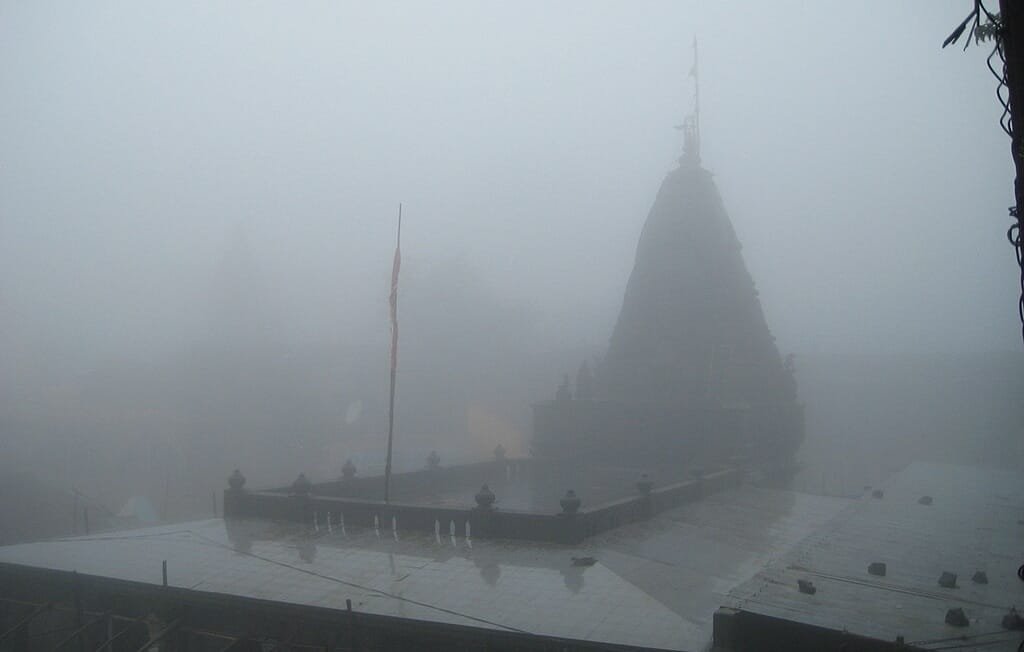
The Bhimashankar height from sea level is one of the key reasons behind its unique environment. Situated high in the Sahyadri Hills, the destination enjoys cooler temperatures, abundant rainfall, rich biodiversity, and breathtaking natural scenery throughout the year.
- Cooler weather than nearby cities such as Pune and Mumbai.
- Dense evergreen forests that support diverse wildlife.
- Excellent trekking trails and panoramic viewpoints.
- Sacred surroundings that enhance the spiritual experience.
- A perfect combination of pilgrimage, adventure, and eco-tourism.
Whether you’re visiting for Lord Shiva’s Jyotirlinga, exploring the wildlife sanctuary, or enjoying the scenic beauty of the Western Ghats, Bhimashankar’s moderate elevation adds to the destination’s charm.
Frequently Asked Questions (FAQs)
What is the height of Bhimashankar from sea level?
Bhimashankar is located at an elevation of approximately 1,020 metres (3,350 feet) above sea level.
Is Bhimashankar higher than Lonavala?
Yes. Bhimashankar is situated at about 1,020 metres, whereas Lonavala is around 624 metres above sea level.
Does Bhimashankar experience snowfall?
No. Although winters are cool, Bhimashankar does not receive snowfall because its elevation is not high enough to support snow.
Which is the best time to visit Bhimashankar?
The ideal time to visit is October to February for pleasant weather and comfortable sightseeing. Nature lovers also enjoy the lush greenery during the monsoon season.
Is Bhimashankar suitable for trekking?
Yes. Bhimashankar is one of Maharashtra’s popular trekking destinations, with famous routes such as Ganesh Ghat, Shidi Ghat, and Khandas offering beautiful views of the Western Ghats.
Quick Facts About Bhimashankar
| Feature | Details |
|---|---|
| Height from Sea Level | 1,020 metres (3,350 feet) |
| State | Maharashtra |
| District | Pune |
| Mountain Range | Western Ghats (Sahyadri Hills) |
| Main Attraction | Bhimashankar Jyotirlinga Temple |
| Famous For | Pilgrimage, Wildlife Sanctuary & Trekking |
| Best Time to Visit | October to February |
Conclusion
The Bhimashankar height from sea level, approximately 1,020 metres (3,350 feet), gives this sacred destination its pleasant climate, lush forests, and spectacular mountain landscapes. Located in the Western Ghats of Maharashtra, Bhimashankar is a unique blend of spirituality, biodiversity, and natural beauty.
Whether you are visiting for the revered Bhimashankar Jyotirlinga Temple, exploring the wildlife sanctuary, enjoying scenic trekking trails, or simply seeking a peaceful escape, Bhimashankar offers an unforgettable experience throughout the year. Its moderate altitude, refreshing weather, and religious significance make it one of the most rewarding destinations to visit in Maharashtra.