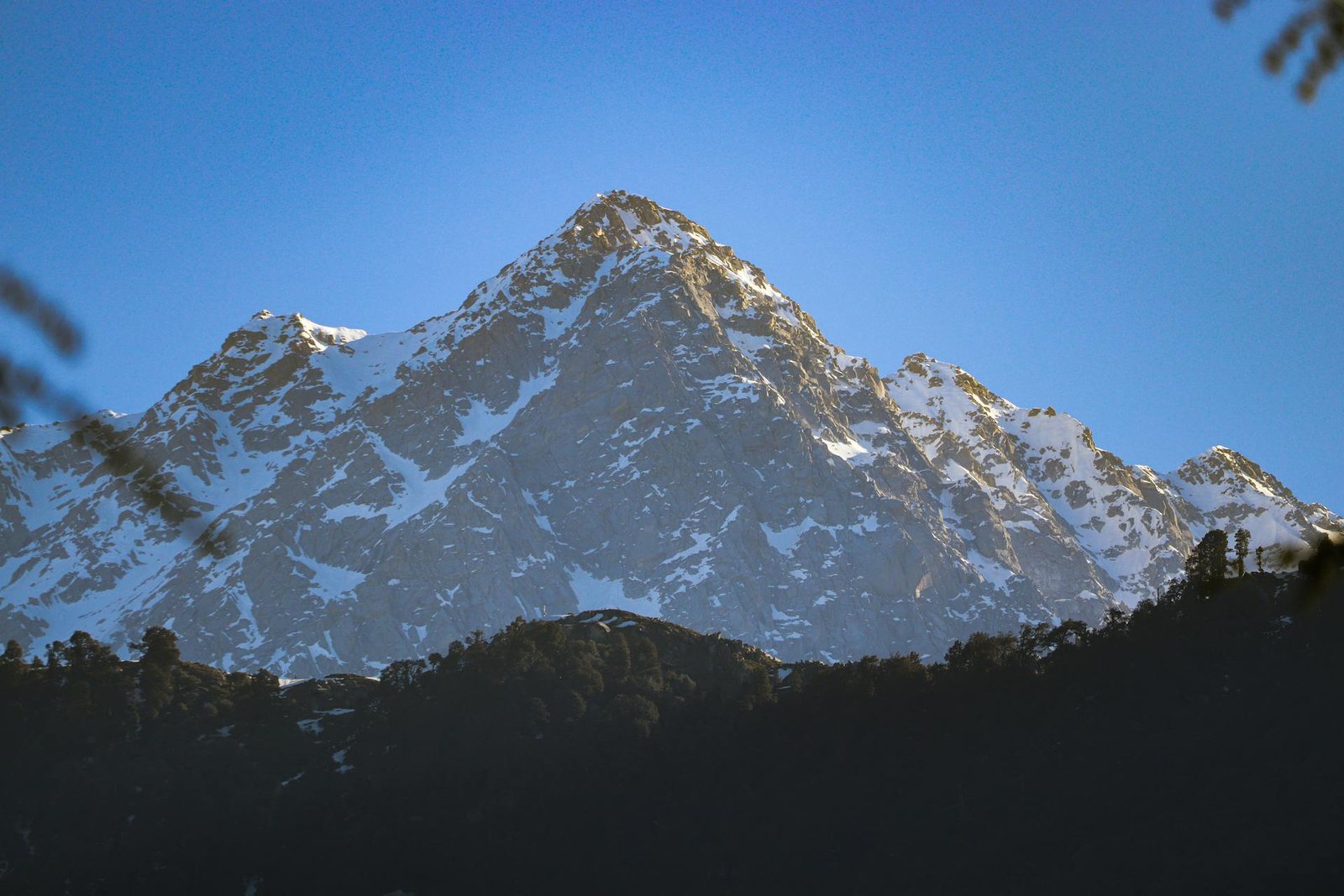
Height of Dharamshala From Sea Level (2026 Exact Altitude, McLeodganj, Triund Trek & Weather Guide) – Nestled against the dramatic granite ramparts of the Dhauladhar mountain range in the Kangra district of Himachal Pradesh, Dharamshala sits at an average elevation of 1,457 meters (4,780 feet) above sea level in its lower commercial valley, ascending to 2,082 meters (6,831 feet) in Upper Dharamshala (McLeodganj) and reaching 2,828 meters (9,278 feet) at the Triund ridge. Internationally renowned as the home of the 14th Dalai Lama and the Central Tibetan Administration, Dharamshala represents one of the most culturally distinctive and topographically striking destinations in the Himalayas.
Because the Dhauladhar peaks rise abruptly from the Kangra plains, the town exhibits extreme altitude variations within just a few kilometers, directly dictating its orographic rainfall, sub-zero winter snowfall, and cool summer microclimates. In this definitive 2026 geographic reference guide, we explore the exact height of Dharamshala in meters and feet, altitude differences between Lower and Upper Dharamshala, the Dharamshala Skyway ropeway, seasonal climate patterns, and travel tips.
Geographic Landmark / Sector
Height in Meters (MSL)
Height in Feet (MSL)
Topographical Profile & Role
Lower Dharamshala (Kotwali Bazaar)
1,457 m
4,780 ft
Administrative town, bus terminal & government offices
HPCA Cricket Stadium
1,457 m
4,780 ft
One of the highest international cricket grounds on Earth
Bhagsunag (Waterfall & Temple)
1,770 m
5,807 ft
Ancient Shiva freshwater spring, waterfall & cafes
McLeodganj (Upper Dharamshala)
2,082 m
6,831 ft
“Little Lhasa”, Dalai Lama Temple (Tsuglagkhang) & cafes
Dharamkot (Yoga Village)
2,100 m
6,890 ft
Backpacker haven, meditation centers & cedar ridge
Naddi View Point
2,164 m
7,100 ft
Sunset point with panoramic views of Kangra Valley
Topographical Zonation: Lower vs. Upper Dharamshala
Unlike conventional hill stations that occupy a uniform elevation, Dharamshala is divided into two distinct geographical tiers connected by winding mountain roads and modern ropeways:
Lower Dharamshala (1,457 m / 4,780 ft): The bustling commercial hub encompassing Kotwali Bazaar, Kachheri, civil courts, and the famous HPCA Stadium (Himachal Pradesh Cricket Association Stadium). Framed by the snow-clad Dhauladhar backdrop, the stadium is one of the highest and most scenic cricket grounds in international sports. Lower Dharamshala experiences moderate subtropical mountain weather.
Upper Dharamshala – McLeodganj (2,082 m / 6,831 ft): Located approximately 9 km uphill (climbing over 625 vertical meters), McLeodganj was established in the 1850s as a British military garrison and later named after Sir Donald McLeod. In 1960, it became the headquarters of the Tibetan Government in Exile. It features significantly cooler alpine weather, pine forests, prayer-flag draped alleys, and monastic universities.
Dharamkot & Naddi (2,100 m to 2,164 m): Rising further past McLeodganj, Dharamkot is an idyllic village surrounded by rhododendron woodlands popular for Vipassana meditation retreats, while Naddi offers sweeping panoramic views of the open Kangra basin below.
Triund Ridge (2,828 m / 9,278 ft): The crown of Dharamshala trekking. A popular 9-kilometer hiking trail originating from McLeodganj or Dharamkot ascends roughly 750 vertical meters to the grassy ridge of Triund, placing trekkers directly beneath the looming Dhauladhar peaks.
Engineering Transit: The Dharamshala Skyway Ropeway
To overcome the steep altitude gain and heavy road congestion between Lower and Upper Dharamshala, the state operates the Dharamshala Skyway:
Rapid Aerial Connection: The 1.8-kilometer mono-cable detachable gondola connects the Lower Dharamshala Bus Terminal directly to McLeodganj near the Dalai Lama Temple.
Time Savings: What previously took 30 to 45 minutes along winding hairpin curves is compressed into a breathtaking 5-minute aerial flight gliding over dense oak and pine canopies.
Operating Hours: Operates daily from 9:00 AM to 6:00 PM, with tickets priced around ₹300 for a one-way trip and ₹500 for a round trip.
Elevation Comparison: Dharamshala vs. Other Popular Hill Stations
Review how Dharamshala’s two elevation tiers compare with other prominent mountain destinations across Himachal Pradesh, Uttarakhand, and Ladakh:
How Altitude Shapes Dharamshala’s Climate & Monsoons
Because the Dhauladhar Range rises abruptly like an alpine fortress wall without intermediate foothills, moist Arabian Sea and Bay of Bengal monsoon winds crash directly into the mountains. This creates intense orographic cloudbursts, earning Dharamshala the title of the “Cherrapunji of Himachal Pradesh”, receiving over 3,000 mm of annual rainfall:
Summer Season (March to June): Daytime temperatures in Lower Dharamshala range from 22°C to 34°C, while McLeodganj stays significantly cooler between 18°C and 28°C with refreshing mountain breezes. This is the peak tourist window for Tibetan cultural tours, museum explorations, and the Triund trek.
Heavy Monsoon Season (July to September): Dharamshala turns emerald green with cascading seasonal streams and mist-covered valleys. However, heavy rains can cause localized mudslides on mountain roads, making high-altitude trekking less advisable during peak downpours.
Winter & Snow Season (December to February): Lower Dharamshala remains chilly with temperatures between 4°C and 14°C, rarely seeing snowfall. Conversely, McLeodganj, Dharamkot, and Bhagsunag dip near freezing (0°C to 2°C) and regularly receive transient winter snow showers, while Triund and Indrahar Pass become blanketed in multiple feet of snow.
Health, Altitude & Packing Tips
Low Risk of Severe AMS: At 1,457 m to 2,082 m, visitors traveling from the plains are not at risk for acute altitude sickness (AMS). However, travelers attempting the Triund trek (2,828 m) or continuing toward Indrahar Pass (4,342 m) should pace their climbing and maintain steady hydration.
Layered Clothing is Essential: Because temperatures can swing by more than 10°C between Lower Dharamshala and McLeodganj, dress in versatile layers. Carry a light windcheater during summer evenings and heavy woolens or thermal base layers for winter visits.
Rain Protection: Even outside the official monsoon window, sudden mountain showers are common. Always carry an umbrella or compact waterproof poncho in your daypack.
Location & How to Reach Dharamshala
Dharamshala is accessible via air, rail, and well-maintained highway corridors:
By Air: Kangra Airport at Gaggal (DHM) is located just 14 km from Lower Dharamshala (approx. 25 minutes drive), operating daily flights connecting to Delhi and Chandigarh.
By Rail: The nearest broad-gauge railway hub is Pathankot Junction (PTK) / Pathankot Cantt (PTKC), situated approximately 85 km away (approx. 2.5 to 3 hours drive via taxi or bus).
By Road from Chandigarh: Drive via Kiratpur Sahib → Anandpur Sahib → Una → Kangra → Dharamshala (~240 km / 5 to 6 hours drive). Regular deluxe and Volvo buses depart daily from Sector 17 Chandigarh Bus Stand.
What is the exact height of Dharamshala from sea level?
Lower Dharamshala sits at an elevation of 1,457 meters (4,780 feet), while Upper Dharamshala (McLeodganj) rises to 2,082 meters (6,831 feet) above sea level.
What is the altitude of McLeodganj compared to Dharamshala?
McLeodganj sits at 2,082 meters (6,831 feet), which is roughly 625 vertical meters higher than Lower Dharamshala (1,457 m), resulting in noticeably cooler temperatures year-round.
What is the height of the Triund trek?
The grassy mountain crest of Triund sits at an altitude of 2,828 meters (9,278 feet) above sea level, providing panoramic views of the Dhauladhar Range and the Kangra Valley.
Does it snow in Dharamshala during winter?
Snowfall is rare in Lower Dharamshala, but McLeodganj, Dharamkot, Naddi, and Triund regularly receive snow showers between late December and February.